

Choosing between rigid and stretch denim changes how a garment fits, moves and ages. It also changes how the fabric behaves in sewing and washing. This guide explains the difference in plain terms and helps you decide which suits your product.
What is the difference between rigid and stretch denim?
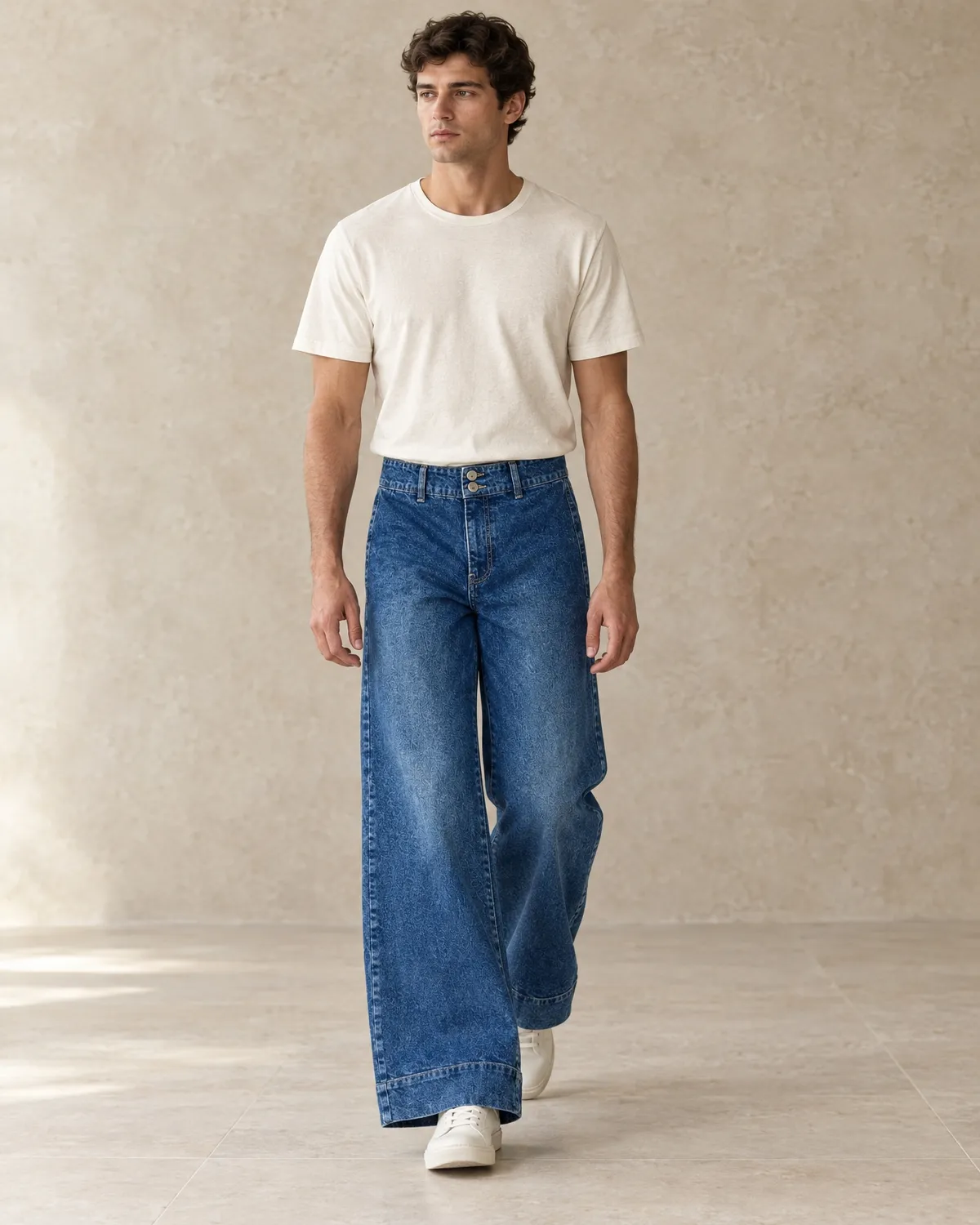
Rigid denim is woven from cotton with no elastane. Stretch denim adds a small amount of elastane so the fabric can extend and recover. The choice changes how a garment fits, moves and ages. Rigid fabric holds its shape and breaks in slowly. Stretch fabric gives immediately and moves with the body, but depends on the quality of the stretch yarn to keep its shape over time.
When should I choose rigid denim?
Rigid makes sense wherever structure and a classic denim character matter more than give.
- Structured shapes such as straight and relaxed fits
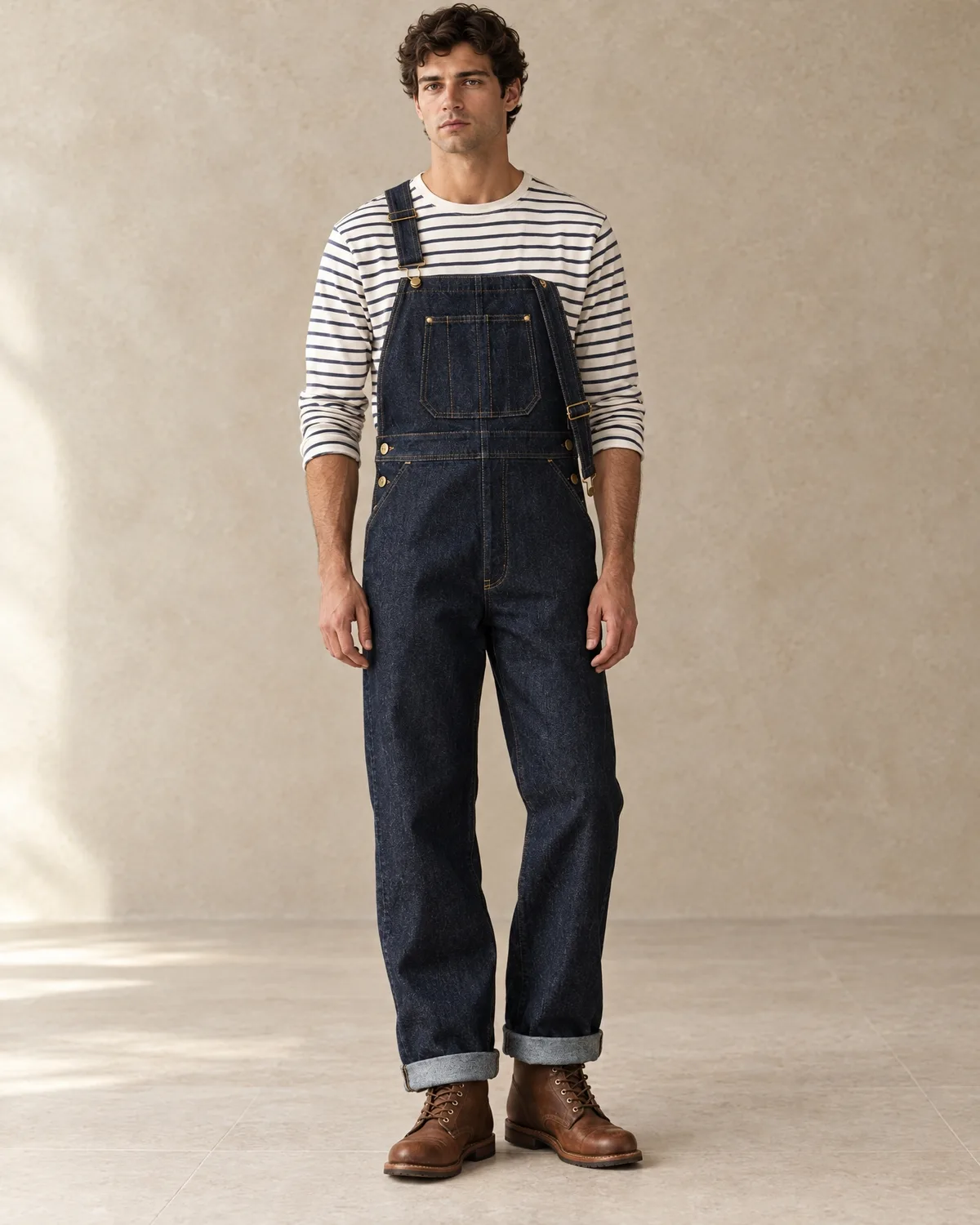
- Raw, selvedge and heritage styles
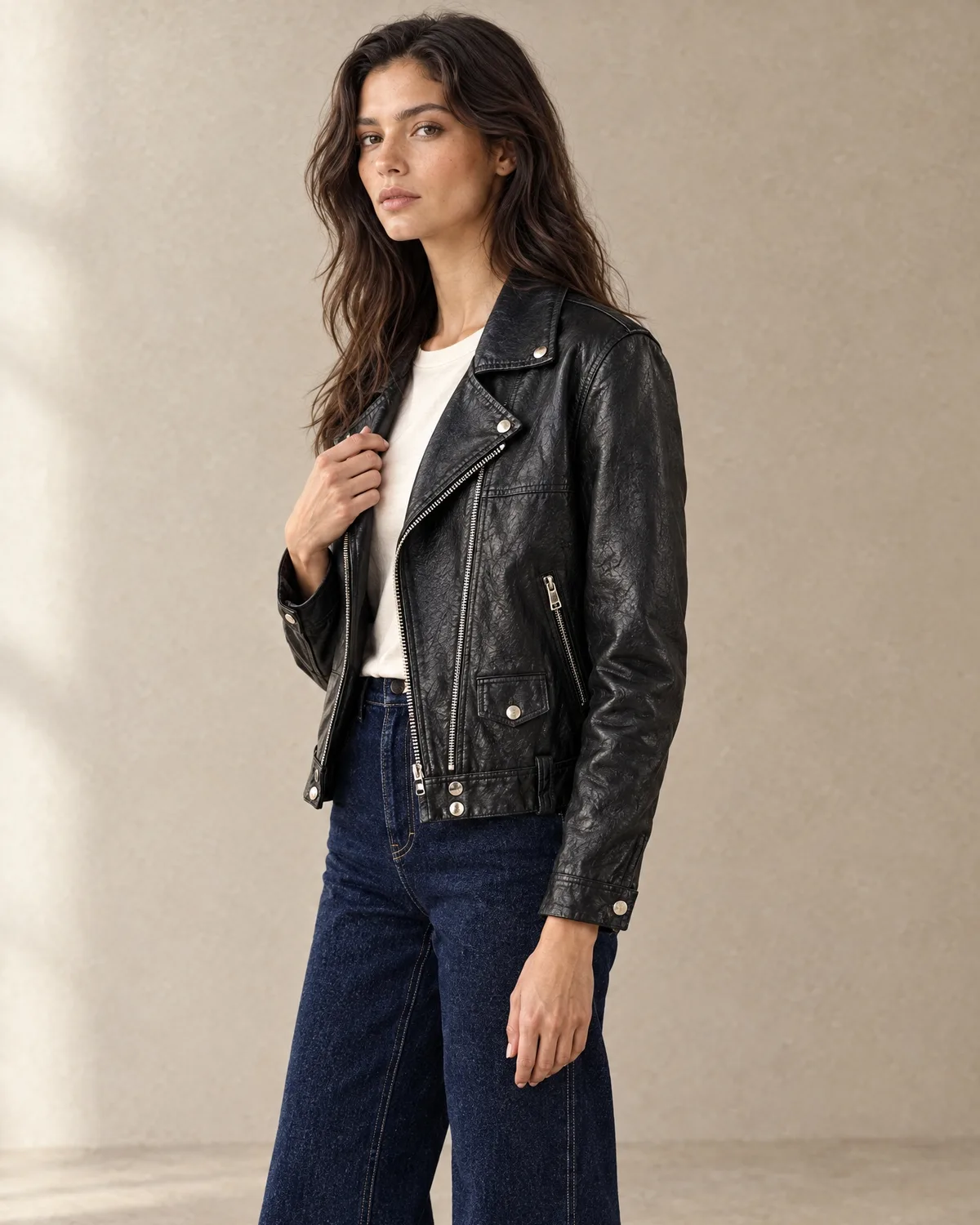
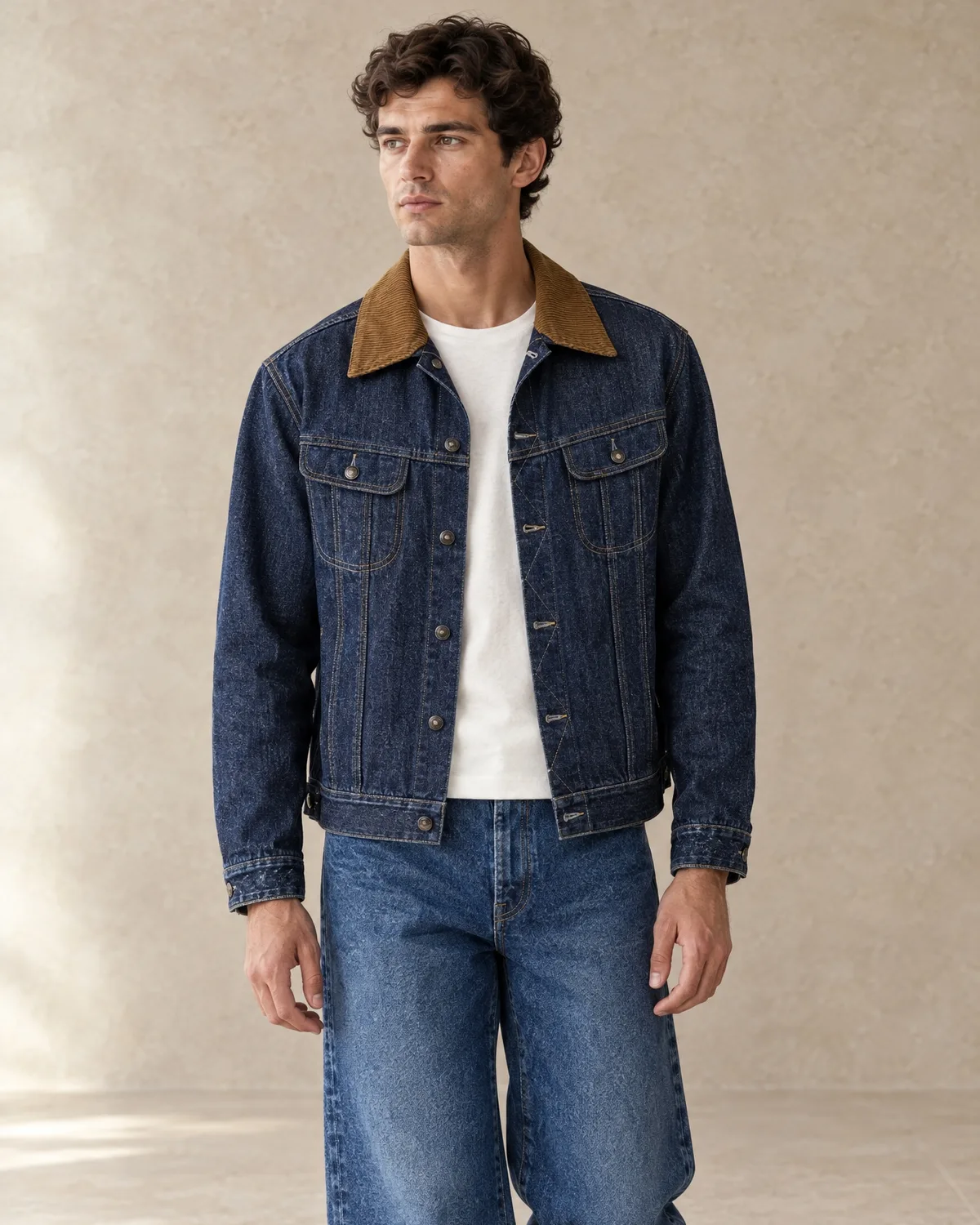
- Workwear and jackets that need to hold their form
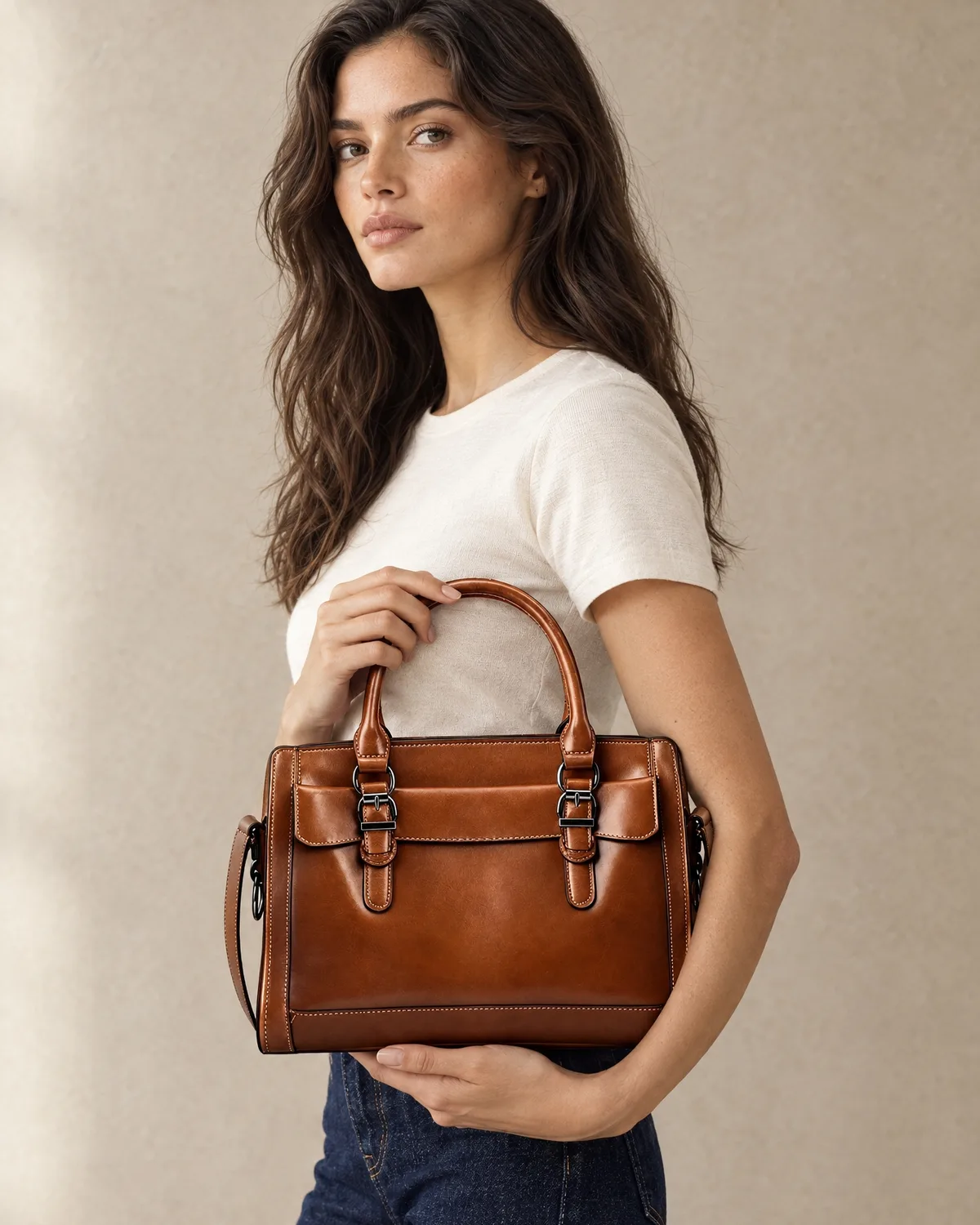
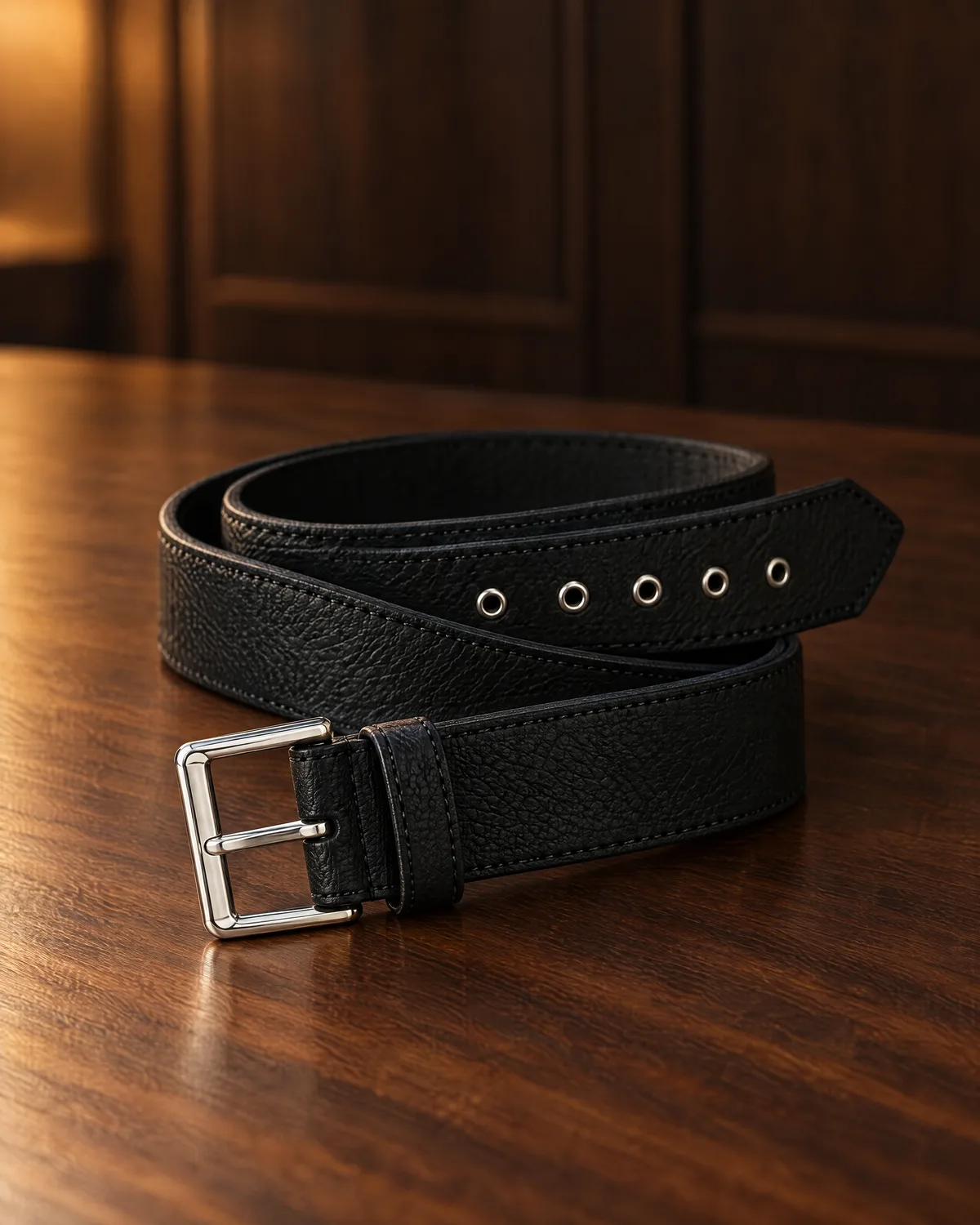
- Bags and accessories
Rigid denim tends to show wear in a distinctive way, with creases and fading that build up over months. For buyers whose customers value that story, rigid is the natural choice. It is also the usual choice where garment shape must stay crisp, such as a boxy jacket or a structured tote.
When should I choose stretch denim?
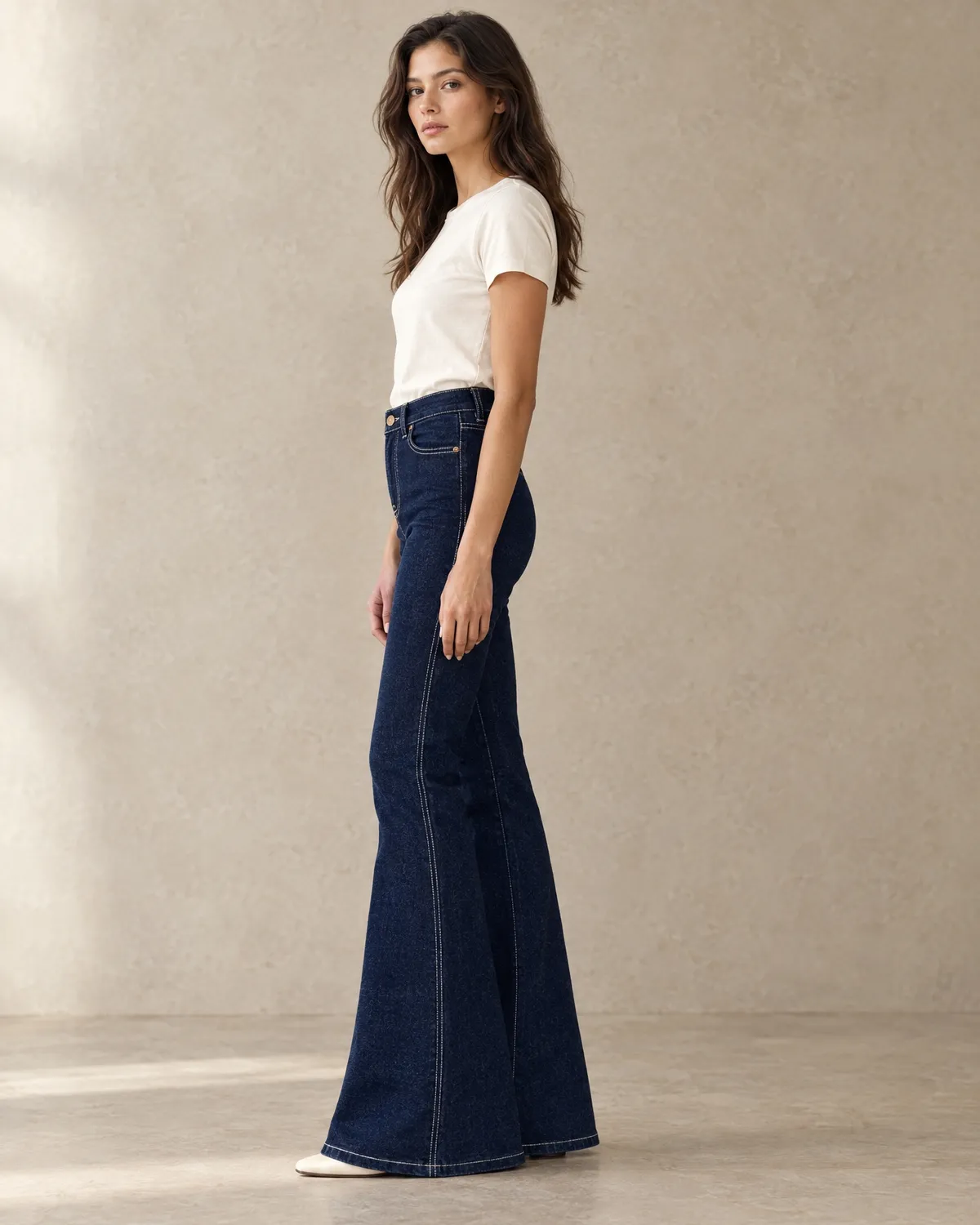
Stretch makes sense where comfort and close fit come first.
- Slim, skinny and tailored fits
- Leggings and close-fitting styles
- Womenswear and childrenswear where comfort is a priority
- Garments worn for long periods
Stretch also forgives small differences in body shape, which can make a size range easier to wear. For a brand selling online, where customers cannot try on first, a little give in the fabric can mean a more comfortable first fit.
Is stretch denim lower quality than rigid?
No. They are different tools for different jobs. A well-made stretch denim can last a long time and keep its shape, while a poorly made one can bag out at the knees or lose recovery after washing. The same is true of rigid denim: a poorly made rigid fabric can feel harsh without ageing well. Judge the specific fabric, not the category, and judge it on a sample you have handled.
How do I decide between rigid and stretch?
Ask these questions in order:
- Is the fit close to the body or relaxed? Close fits usually lean towards stretch; relaxed fits towards rigid.
- Does the garment need to hold a sharp shape, such as a jacket or a bag?
- Will customers wear it for long stretches, sitting, travelling or moving?
- Does your brand story depend on raw denim and visible ageing?
- Who is the customer, and what do they expect from comfort?
If your answers point both ways, you can make the same style in both and see which your customers prefer. That is easier to do at a small first run than at a large one, and our low MOQ approach is built around that kind of testing.
What should I specify for stretch denim?
State how much stretch you want and how well the fabric should recover, since these change as elastane content changes. Words like “a little stretch” or “comfort stretch” are too loose to quote against. Where you can, point to a reference garment whose stretch you like, and say whether you want stretch in one direction or both. Also say whether you want the fabric to feel firm or soft, because two stretch fabrics with similar give can still feel very different in the hand.
Sampling is the safest way to confirm that a stretch denim holds its shape after wear and washing. Ask for the sample to be tried on, sat in, moved in and, where possible, checked again after a wash, then compare it with your measurements. Our sampling process explains how a paid sample is approved by you before any bulk production.
How do washes and finishes differ on rigid and stretch fabrics?
Washes and finishes behave differently on rigid and stretch fabrics. The same wash recipe can produce a different colour, softness or amount of shrinkage depending on the fabric. A reference photo shows a result on one particular fabric; it does not promise the same result on yours. Agree the finish on the actual fabric at sampling rather than relying on a reference photo. For an overview of what is possible, see denim washes and finishes.
What are common mistakes with stretch and rigid?
- Choosing stretch for a style that needs a crisp, sculpted shape.
- Using the same pattern for rigid and stretch versions without adjusting, since the two fit differently at the same measurements.
- Describing stretch only as a feeling, not as a target you can check on a sample.
- Approving a wash on a different fabric from the one that will be used in bulk.
- Forgetting that fabric weight also changes the feel, see the denim fabric weight guide.
Can I make the same style in both?
Often, yes, but treat them as two separate styles. The pattern, measurements and wash may need small adjustments, and each version goes through its own sample. Each style counts separately against the minimum of 50 pieces per style. Tell us early if you are considering both so the specification can cover each cleanly.
How do I put my choice into a brief?
Write down the fabric type (rigid or stretch), the weight, the amount of stretch if any, and the finish. Add a reference garment if you have one. A tech pack is the proper home for this information, and how to prepare a tech pack shows how to lay it out. You can browse the denim range for examples of the garments we make.
Want help choosing the right fabric?
Tell us the garment, the fit and the customer, and we will talk through what suits. Request a quote to get started. It is free to request and there is no obligation.