

Denim weight is one of the first numbers a supplier asks for, and one of the easiest to get wrong. This guide explains what the number means, how the common weight bands behave in a finished garment, and how to choose a weight before you ask for a quotation.
How is denim weight measured?
Denim weight is normally given in ounces per square yard, written as oz. A higher number means a denser, heavier fabric. Some suppliers give grams per square metre instead, so always check which unit a quotation or fabric card uses before you compare two options. Mixing the two units is a common reason a buyer believes a fabric is heavier or lighter than it really is.
Weight is measured on the fabric before it is cut and sewn, usually before washing. A garment that goes through a heavy wash can feel softer and lighter than the raw fabric number suggests, so state whether your target refers to the fabric as woven or to the finished, washed garment feel.
What are the main denim weight ranges?
Mills and brands draw these lines in different places, so treat the ranges below as a rough guide and always state an exact number in your brief.
- Lightweight: under about 10 oz. Soft and fluid, suited to shirts, dresses and summer garments.
- Midweight: about 10 to 14 oz. The everyday range for jeans, jackets and bags.
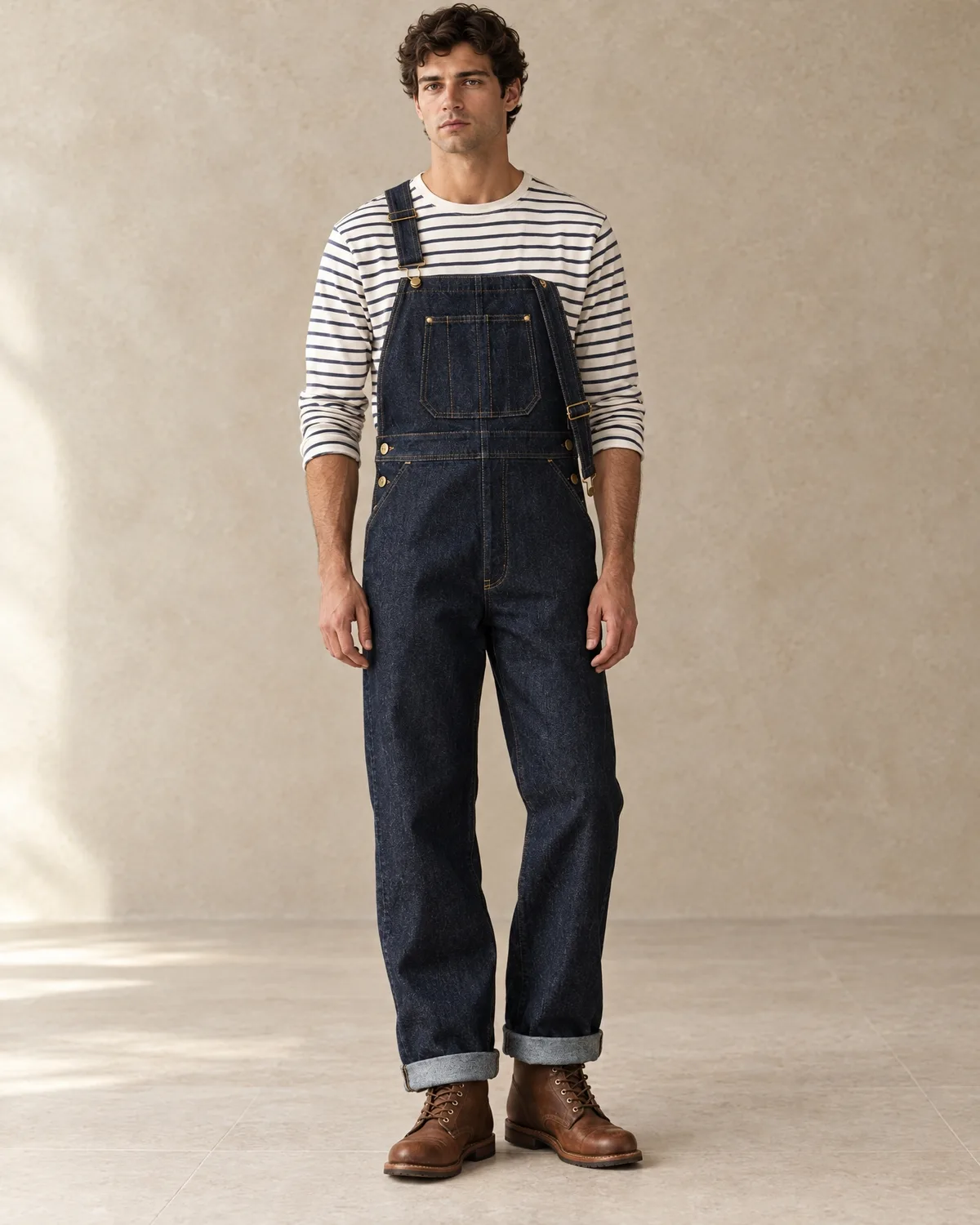
- Heavyweight: about 14 oz and above. Stiff and durable, suited to workwear and heritage jeans.
Which denim weight is best for jeans?
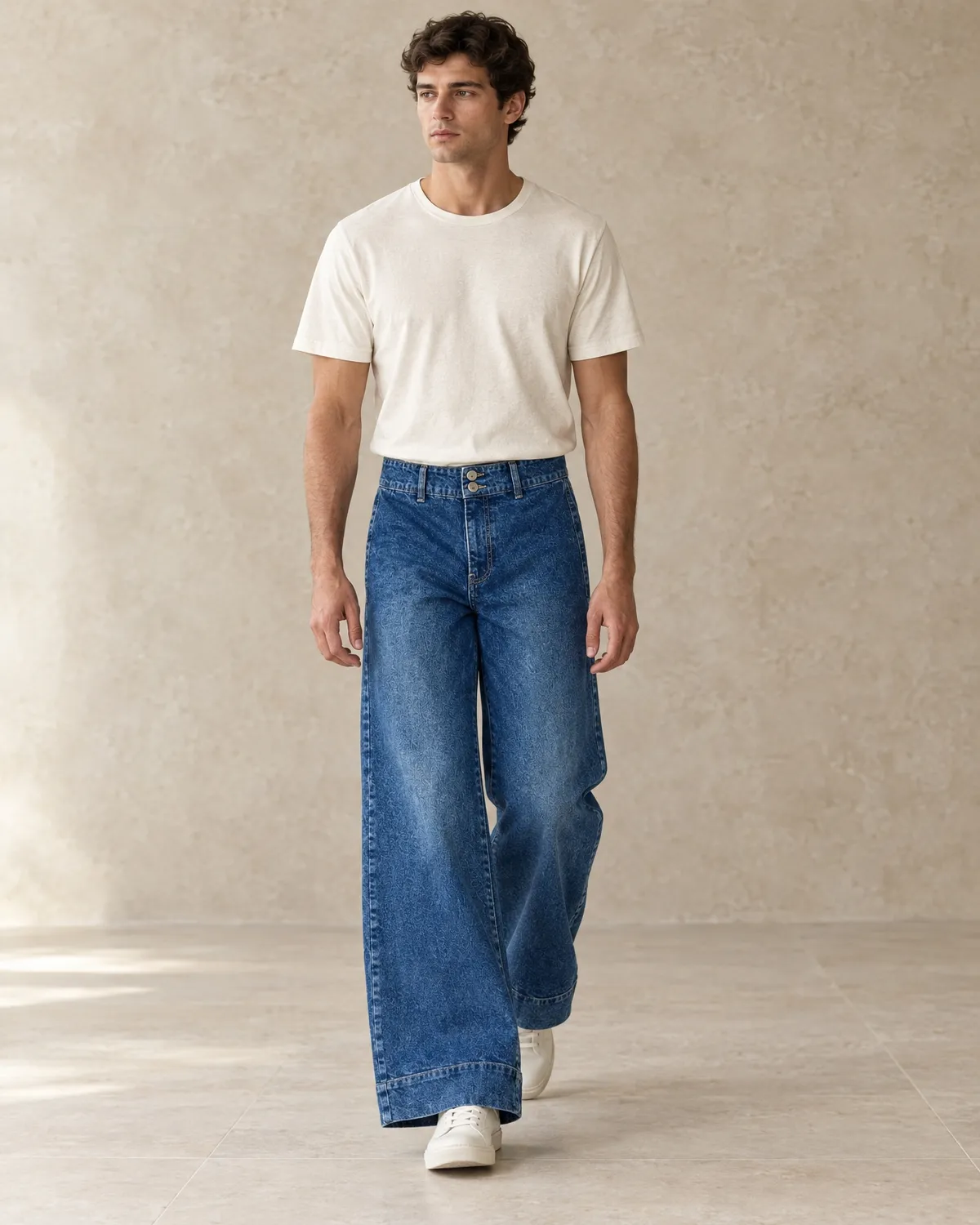
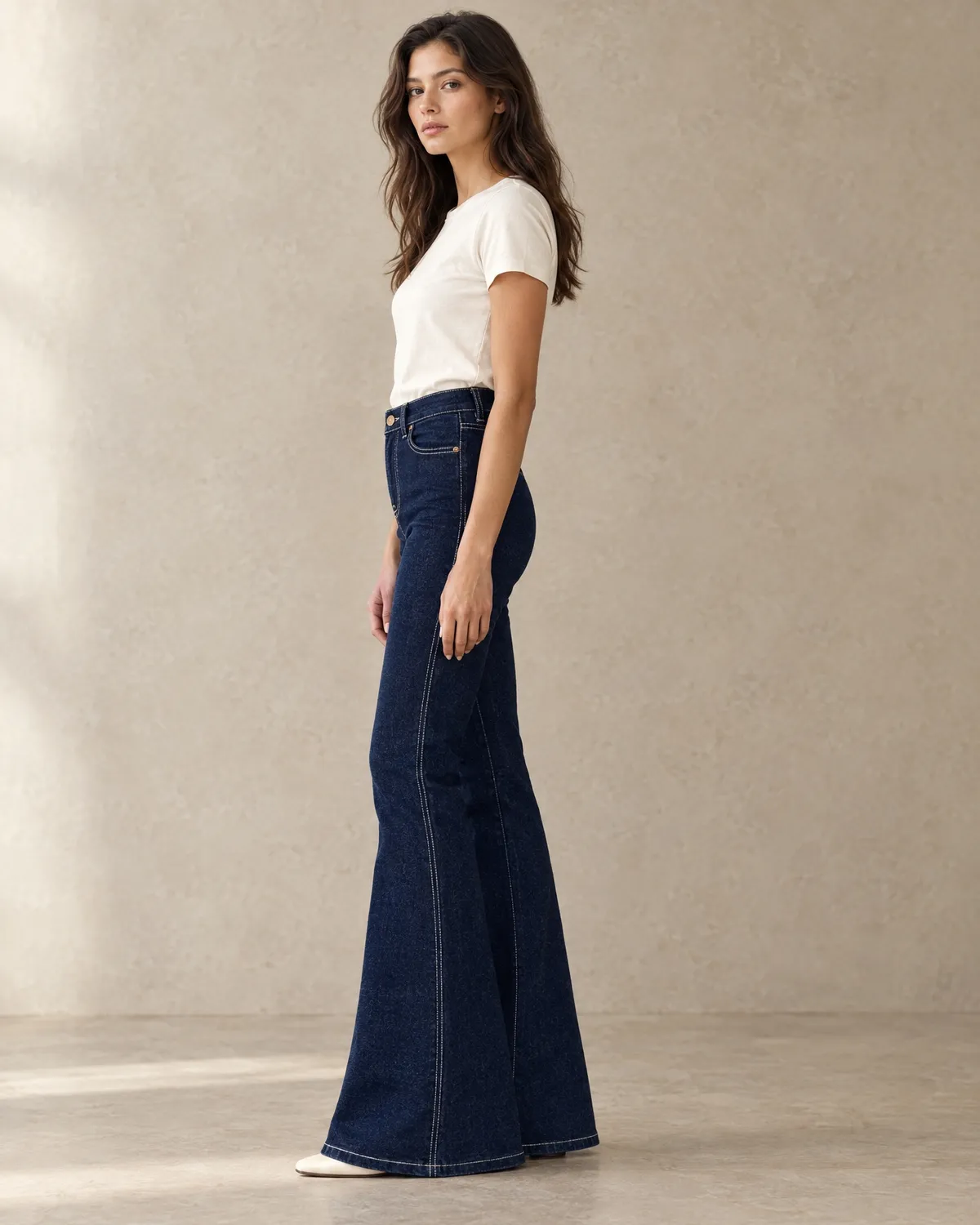
For most everyday jeans the midweight band is the natural starting point. It is firm enough to hold a shape and take a wash, yet comfortable enough to wear all day without a long break-in period. Heavier fabrics suit buyers who want a raw, structured look and are happy for the garment to soften slowly with wear. Lighter fabrics suit relaxed, drapey shapes and warmer climates.
Fit matters as much as the number. A wide-leg or relaxed jean in a very light fabric can hang oddly, while a slim fit in a very heavy rigid fabric can feel restrictive. If you are planning a close-fitting style, read our note on rigid and stretch denim alongside this guide, because stretch content changes how a given weight feels on the body.
Which weight suits jackets, shirts and bags?
Different products ask different things of the fabric.
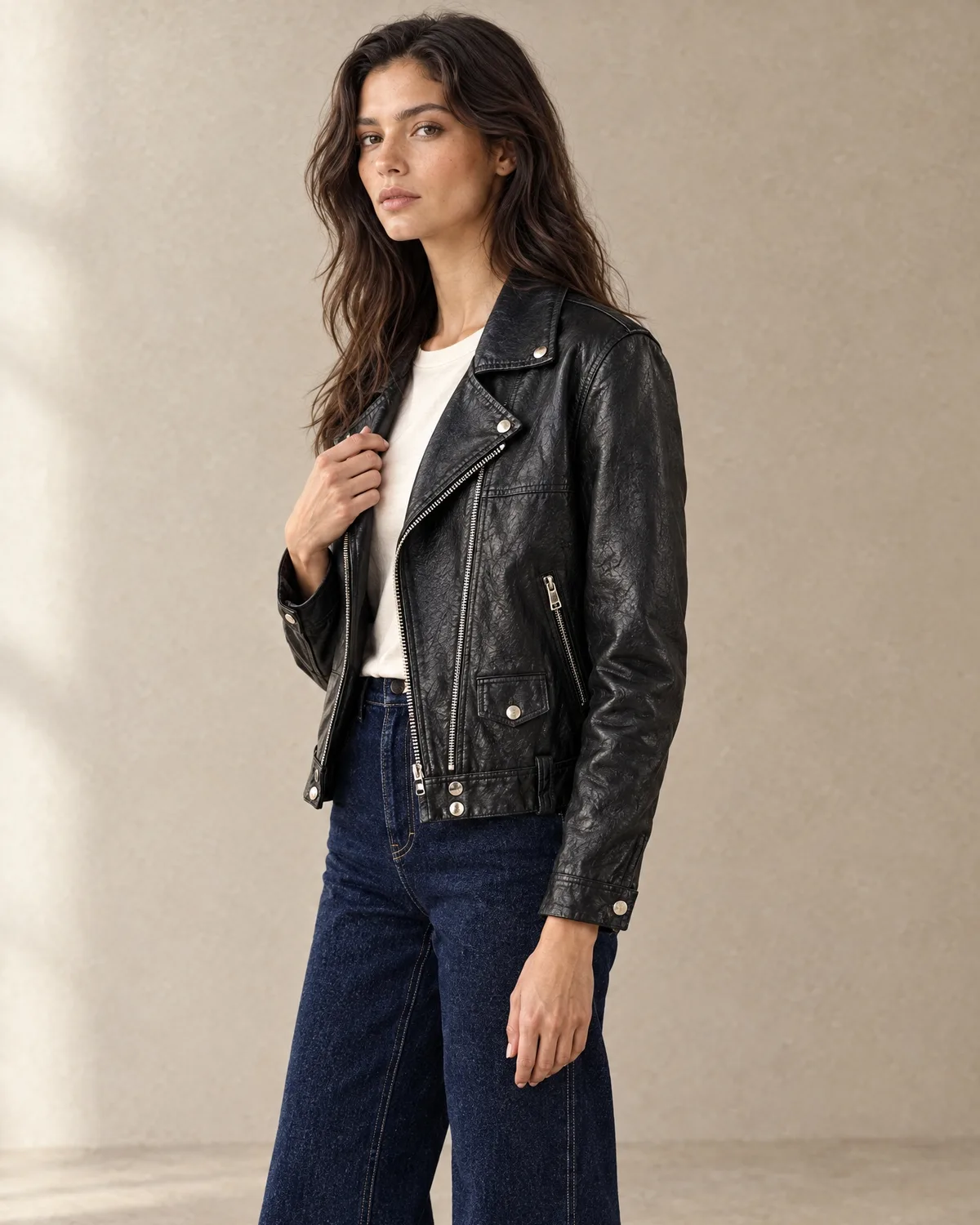
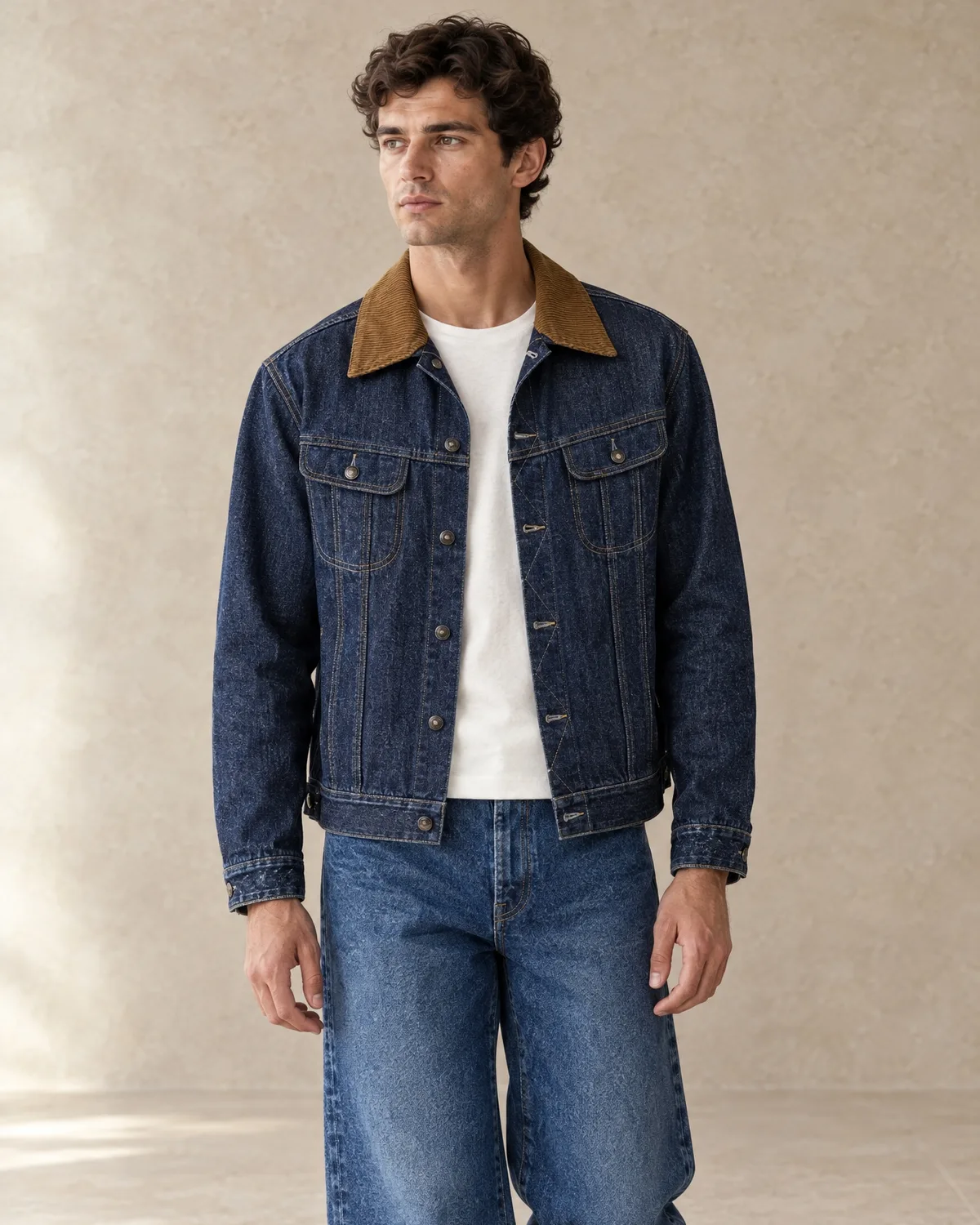
- Jackets: midweight to heavyweight fabrics keep their structure, hold seams and collars well and stand up to repeated wear. A trucker jacket in a very light fabric may lose its shape.
- Shirts and dresses: lighter fabrics drape better and are more comfortable against the skin, but check that the fabric is not too sheer at seams and pocket edges.
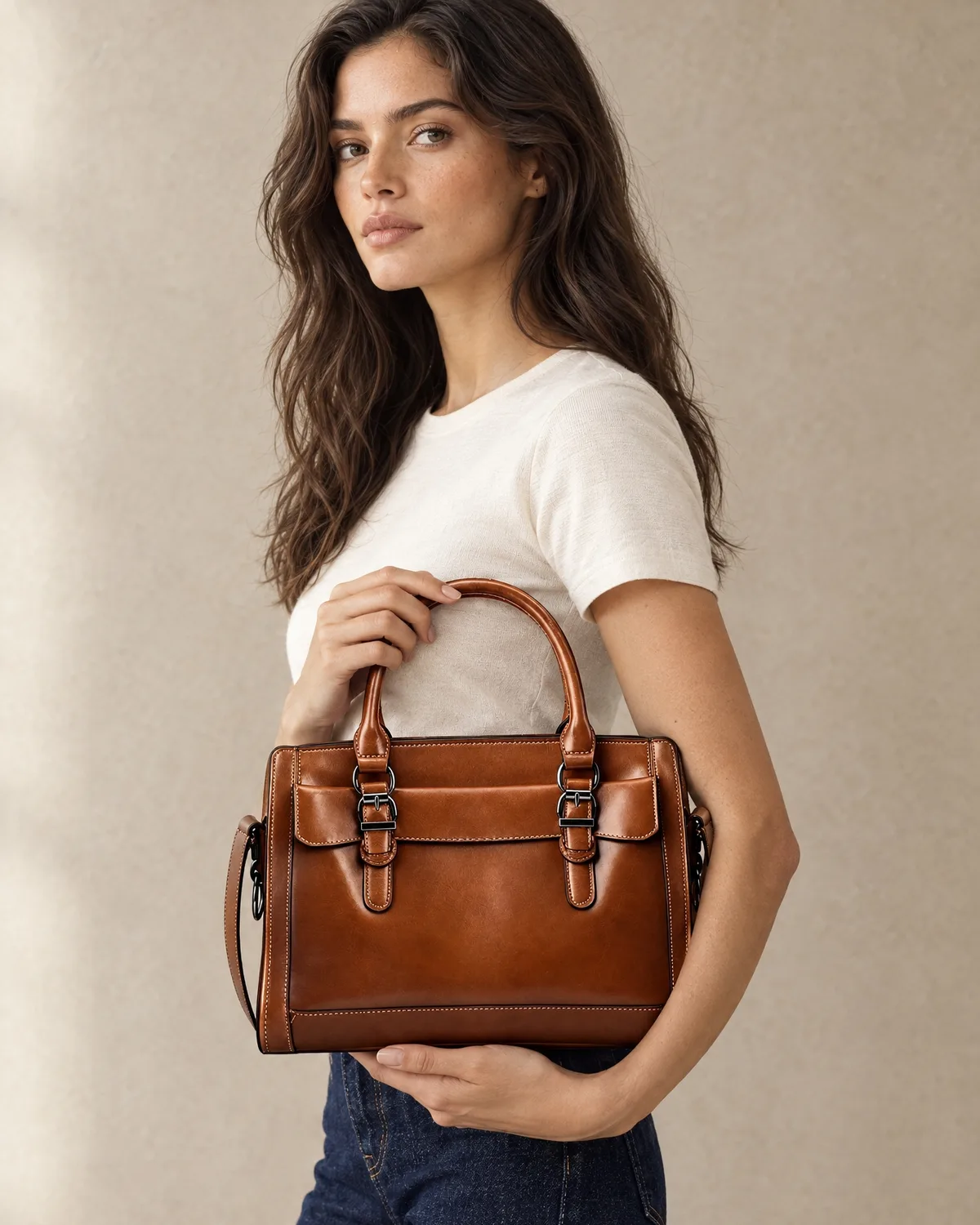
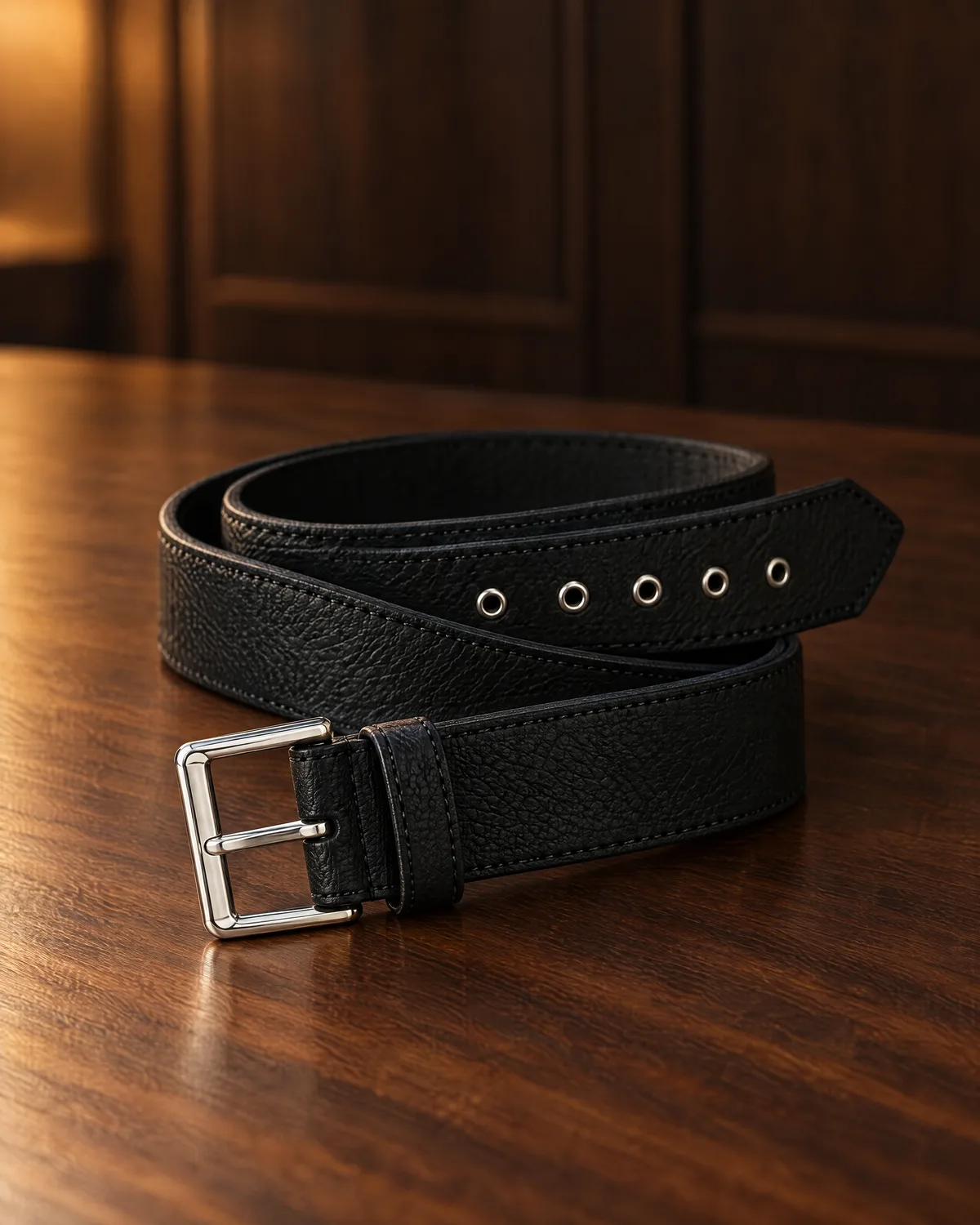
- Bags and accessories: heavier weights resist abrasion and keep a firm shape, which is why they are common for totes and structured bags.
- Skirts and shorts: midweight is a safe default, with heavier options for a stiffer, more architectural line.
Is a heavier denim always better quality?
No. Weight is not the whole story. Two denims of the same weight can feel very different. Yarn quality, weave, finishing and stretch content all change hand feel and how the fabric wears. A heavy fabric is not automatically a better one, and a lighter fabric made well can outlast a heavy fabric made badly. Treat weight as one specification among several, not as a quality score.
It also helps to remember that heavier fabric is harder to sew and wash. Thick seams at hems, waistbands and belt loops need suitable machines and careful construction, and heavy fabrics can behave differently in washing. That is one reason to talk through your wash ideas early, using our overview of denim washes and finishes.
How do I choose a denim weight for my brand?
Work through these questions in order.
- What is the garment, and how should it hang or hold its shape?
- Who wears it, and in what climate and season?
- Do you want a raw, structured feel or a soft, lived-in feel from day one?
- Will the style be washed heavily, lightly or not at all?
- Do you own a reference garment you can hold up as the target?
The best shortcut is a reference garment. If you have a pair of jeans or a jacket whose feel you love, send it or photograph its label. A real garment tells a manufacturer more than a paragraph of description ever will, and it lets you compare the reference weight with the options on offer.
What are the common mistakes when specifying denim weight?
- Giving a range such as “medium weight” without a number.
- Mixing ounces and grams between documents.
- Copying the weight of a reference garment without checking whether it was washed.
- Choosing a heavy fabric for a style that needs drape.
- Assuming the same weight will feel the same in rigid and stretch versions.
What should go into my brief?
Keep the weight request short and exact. Include these points:
- Target weight in oz per square yard
- Whether the fabric should be rigid or stretch
- The garment type, so the weight suits the construction
- A reference garment or swatch if you have one
These items sit naturally in a tech pack, and our guide on how to prepare a tech pack shows where each one belongs. If you only have a sketch or a reference sample, that is still enough to start.
How do I check the weight is right before bulk production?
Weight is judged by hand and by eye as much as by number, so the sample is where you confirm it. Hold the sample, move it, sit in it, and compare it with your reference. Check that seams lie flat and that the fabric hangs the way you imagined. Our sampling process exists for exactly this reason: a paid sample is approved by you before any bulk production begins, so a weight that feels wrong can be corrected at the sample stage rather than after a full run.
Where can I see denim options?
Browse the denim range to see the styles we make, and visit the materials pages for individual denim types. Availability of a specific weight is confirmed during quotation and sampling, so there is no need to guess; describe what you want and we will say what is possible.
Ready to talk weights and fabrics?
If you know your target weight, send it with your reference. If you are still deciding, send a photo and a short description of the garment and we will help you narrow it down. Request a quote to start the conversation. It is free to request and there is no obligation.