
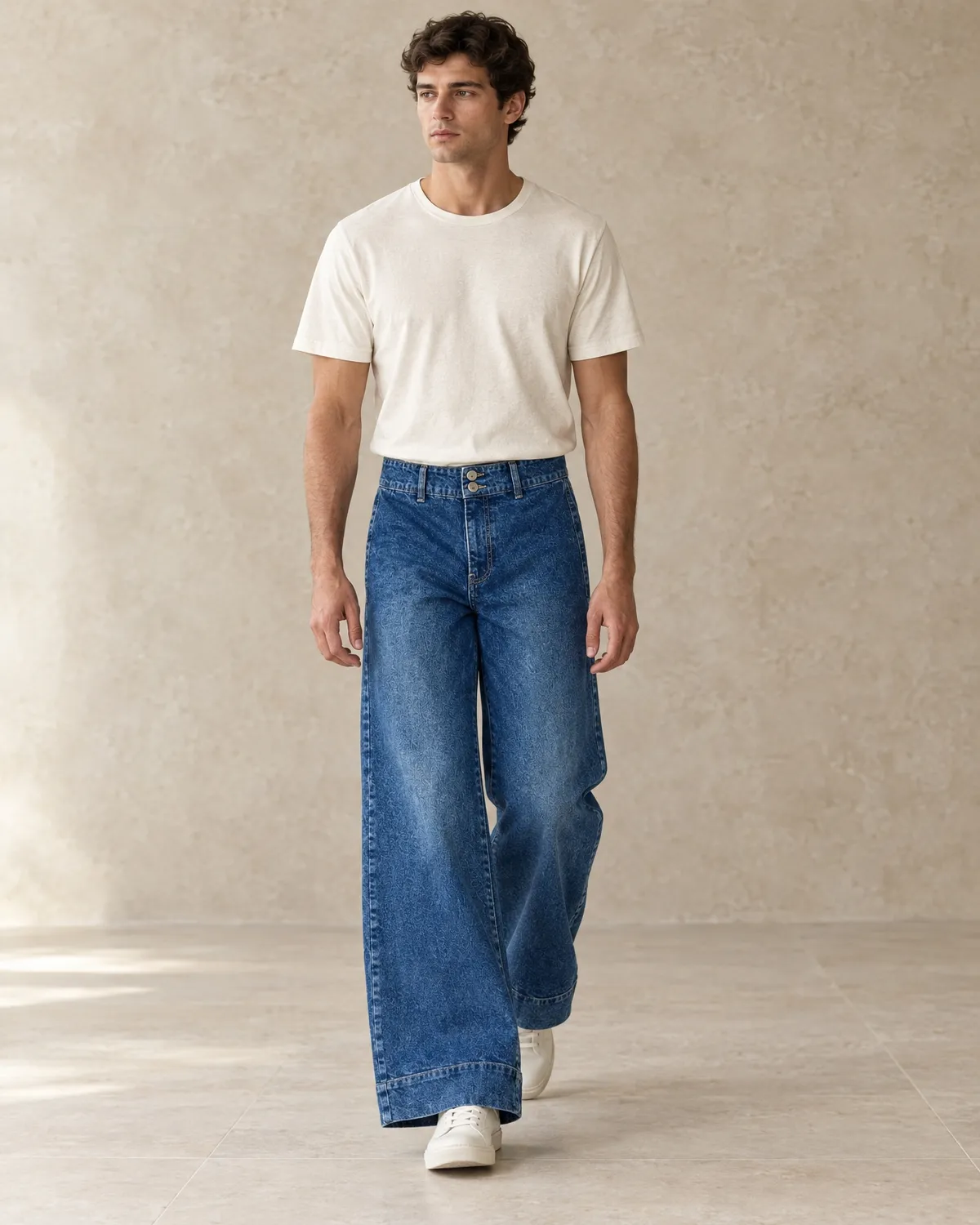
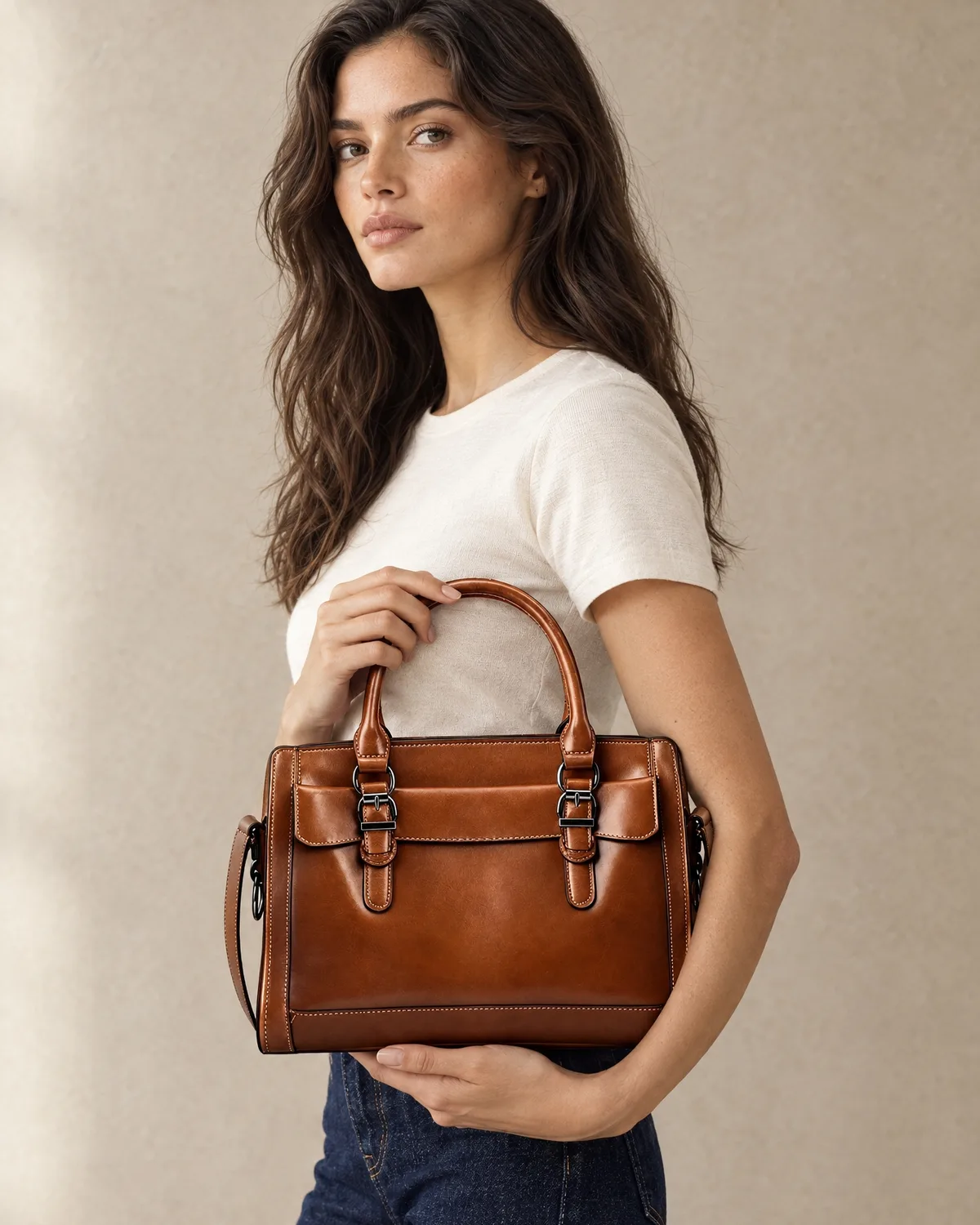

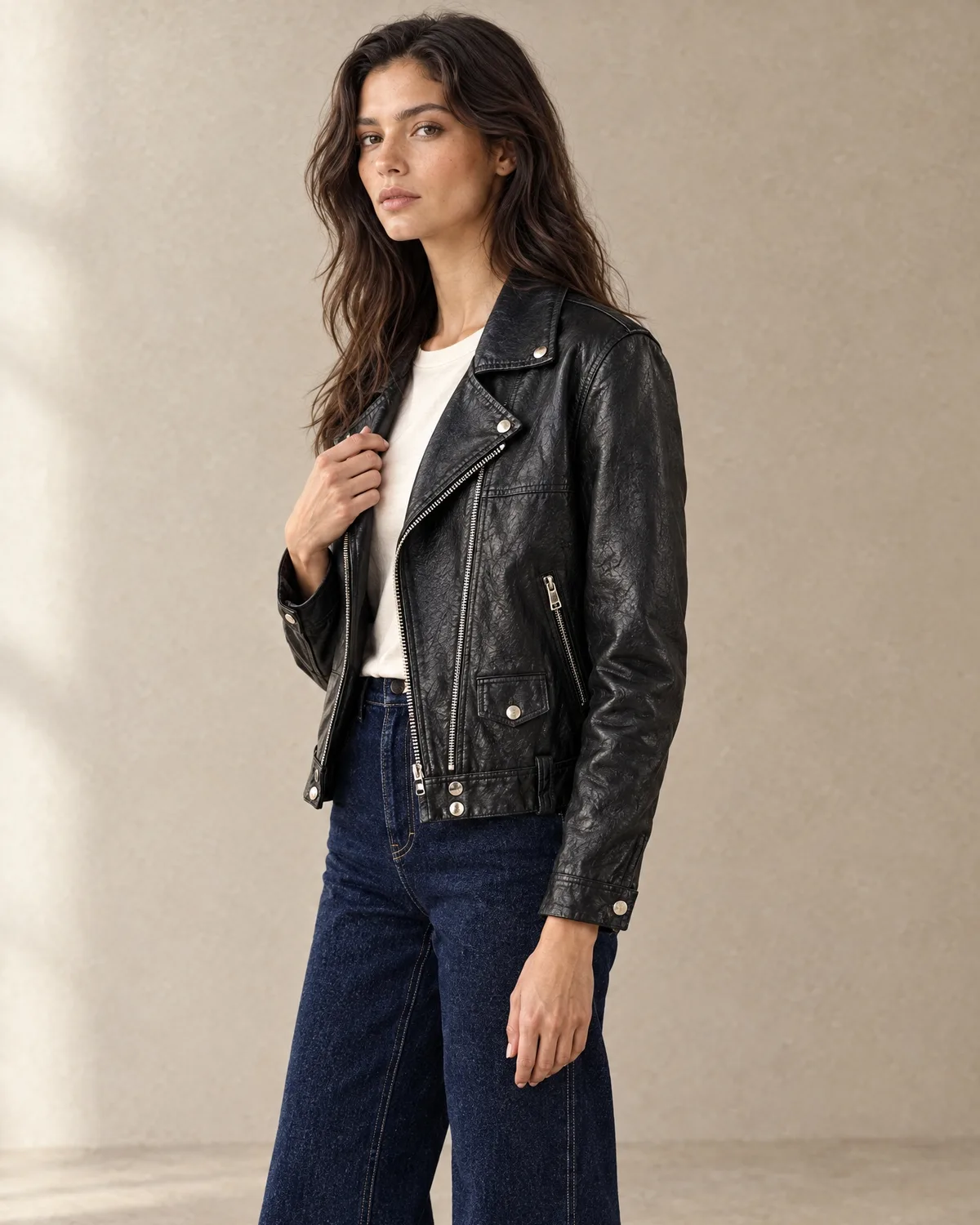
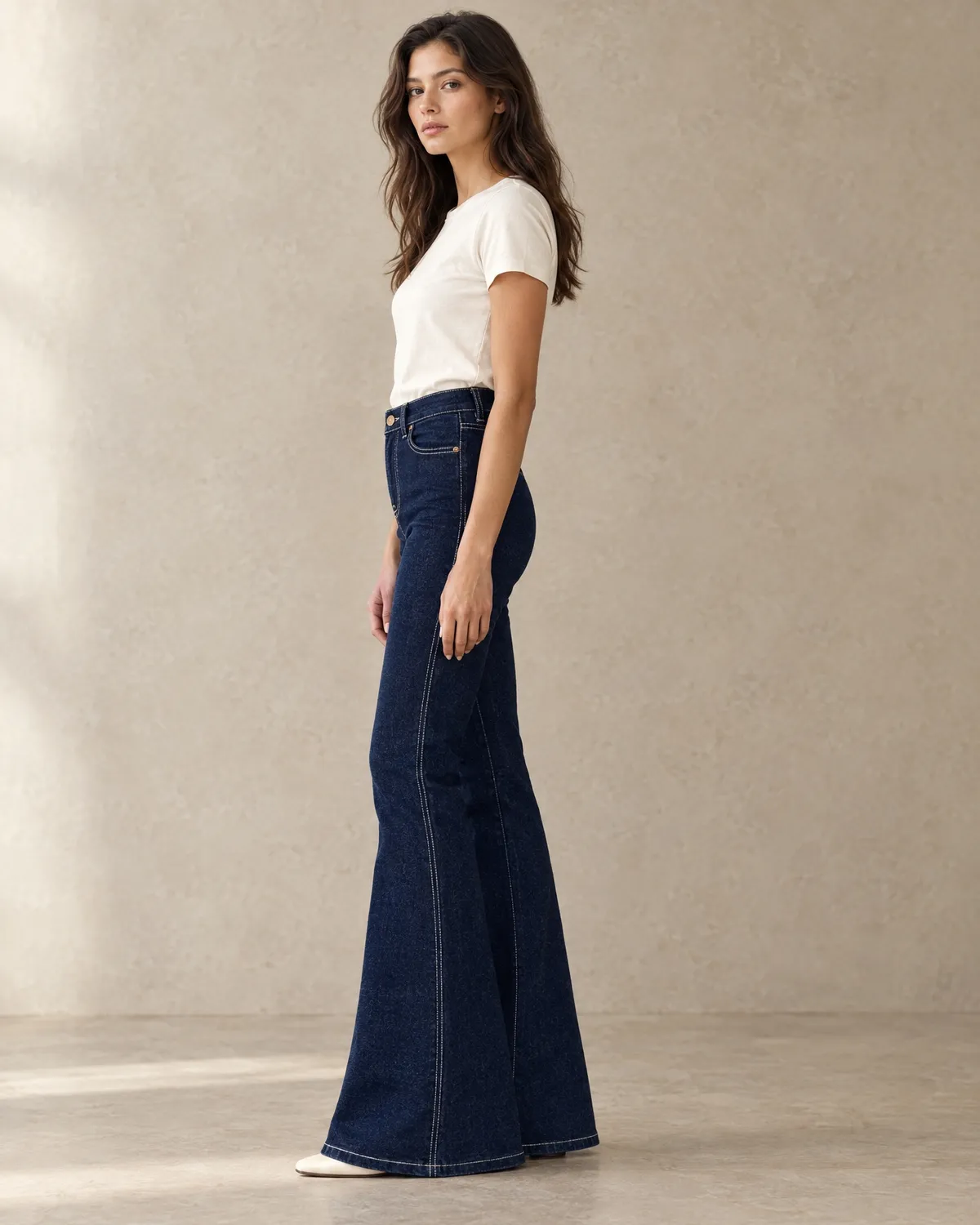
A polished website and a friendly sales team tell you very little about how a factory will perform on your order. What tells you the truth is the sample, and the quality control system behind it. This guide shows what to measure, what to look at under good light, and how to approve a sample so that bulk production matches it.
Why are samples the best way to vet a manufacturer?
A sample shows how the factory reads your instructions, how careful its sewing team is, and how honest its communication is when something goes wrong. A strong sample process is also a preview of how bulk will behave: factories that measure and document at sample stage tend to measure and document in production.
Treat the first sample as an assessment of the factory as much as of your product. A good sample with poor communication is still a warning sign, and a flawed sample with a clear explanation and a fast correction can be a good sign.
What should you measure on a garment sample?
Start with the measurements in your tech pack. Lay the garment flat and check each point against your spec sheet. For jeans, that usually means waist, hip, front and back rise, thigh, knee, leg opening and inseam. For jackets, check chest, shoulder, sleeve length, body length and cuff opening.
- Measure every listed point, not just two or three.
- Record each result next to the target and note the difference.
- Compare against the tolerance agreed in writing for each point.
A tolerance is the amount a measurement may differ from the target and still pass. Agree it before sampling, because without it, nobody can say whether a garment is right or wrong. If you need help building a spec sheet, read how to prepare a tech pack.
How do you check stitching and seam quality?
Turn the garment inside out and look at the seams as carefully as the outside. Neat inside work often signals a careful factory.
- Stitch density and evenness: stitches should be consistent in length, with no skipped or loose stitches.
- Straight lines: topstitching should follow the seam without wandering, especially around pockets, yokes and waistbands.
- Stress points: pocket corners, belt loops, fly ends and crotch seams should be reinforced with bar tacks or rivets.
- Thread ends: loose threads should be trimmed, and seam allowances should be clean and finished.
- Puckering: seams should lie flat, with no pulling or waviness.
Gently pull on seams, pockets and loops. A good garment holds. If you see open seams or movement under light pressure, the construction is not ready for retail.
What should you look for in wash and finish consistency?
Denim and leather are both sensitive to finishing. Washed denim can vary from piece to piece if the process is not controlled, and leather can show shade differences between hides if dyeing and finishing are not managed.
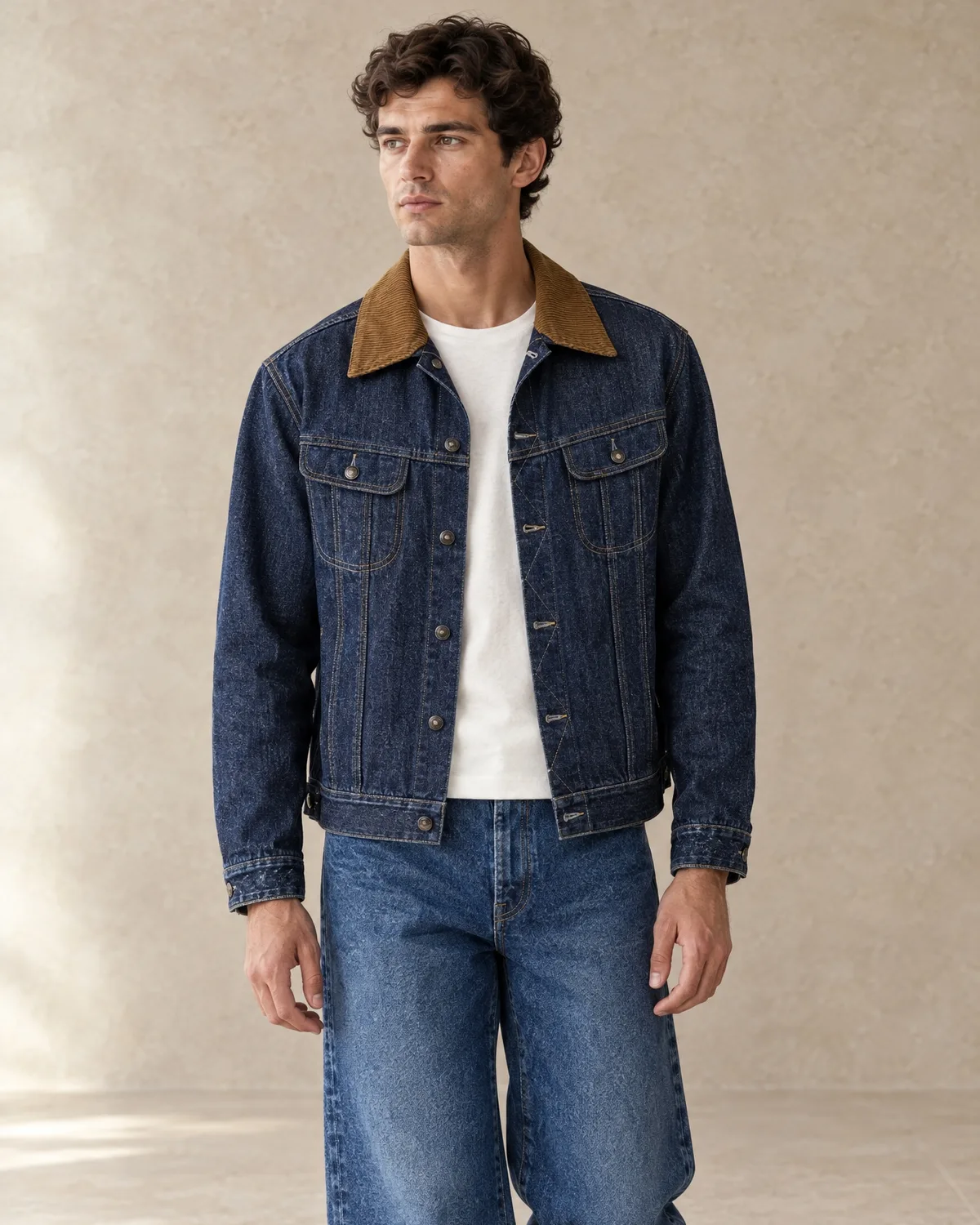
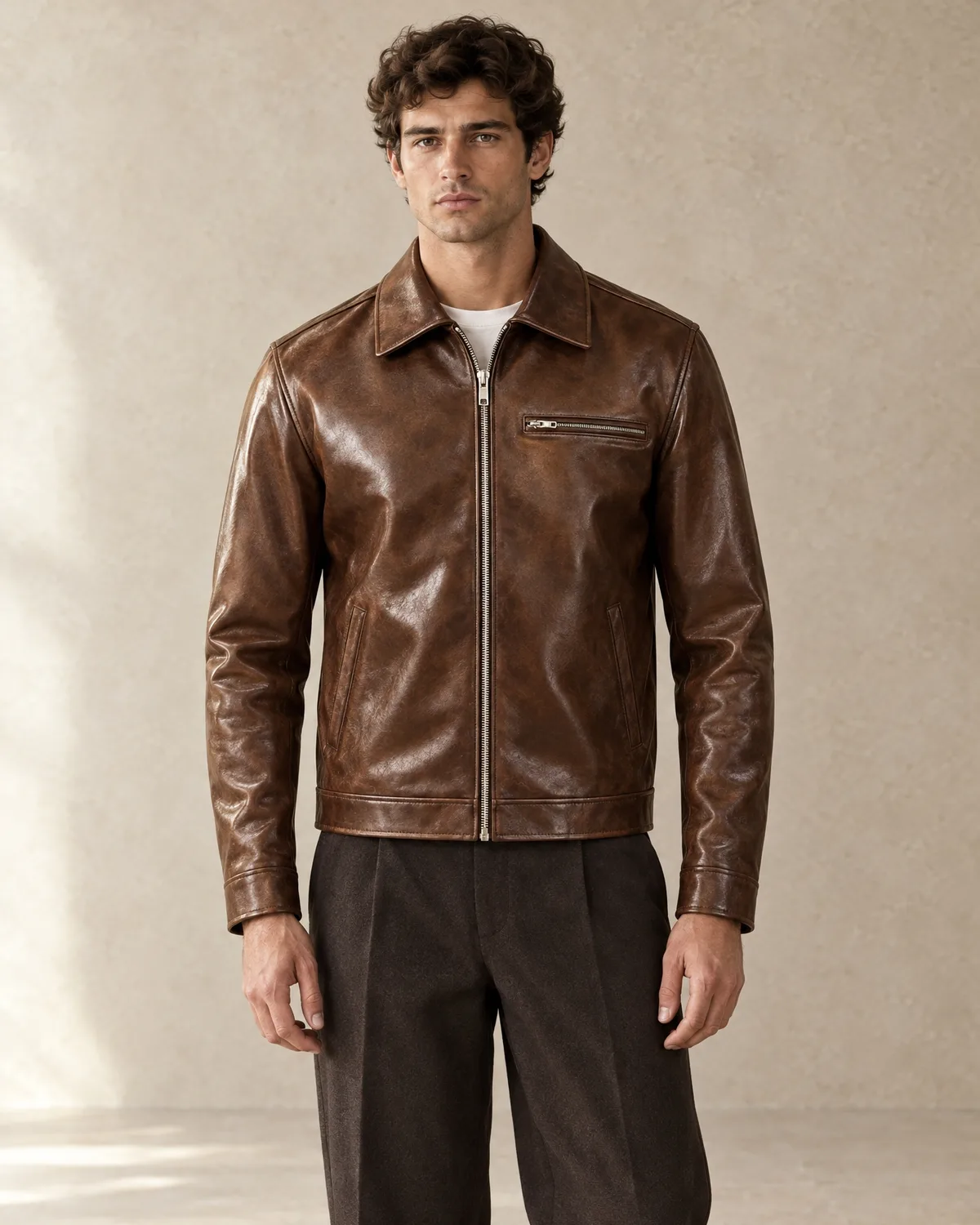
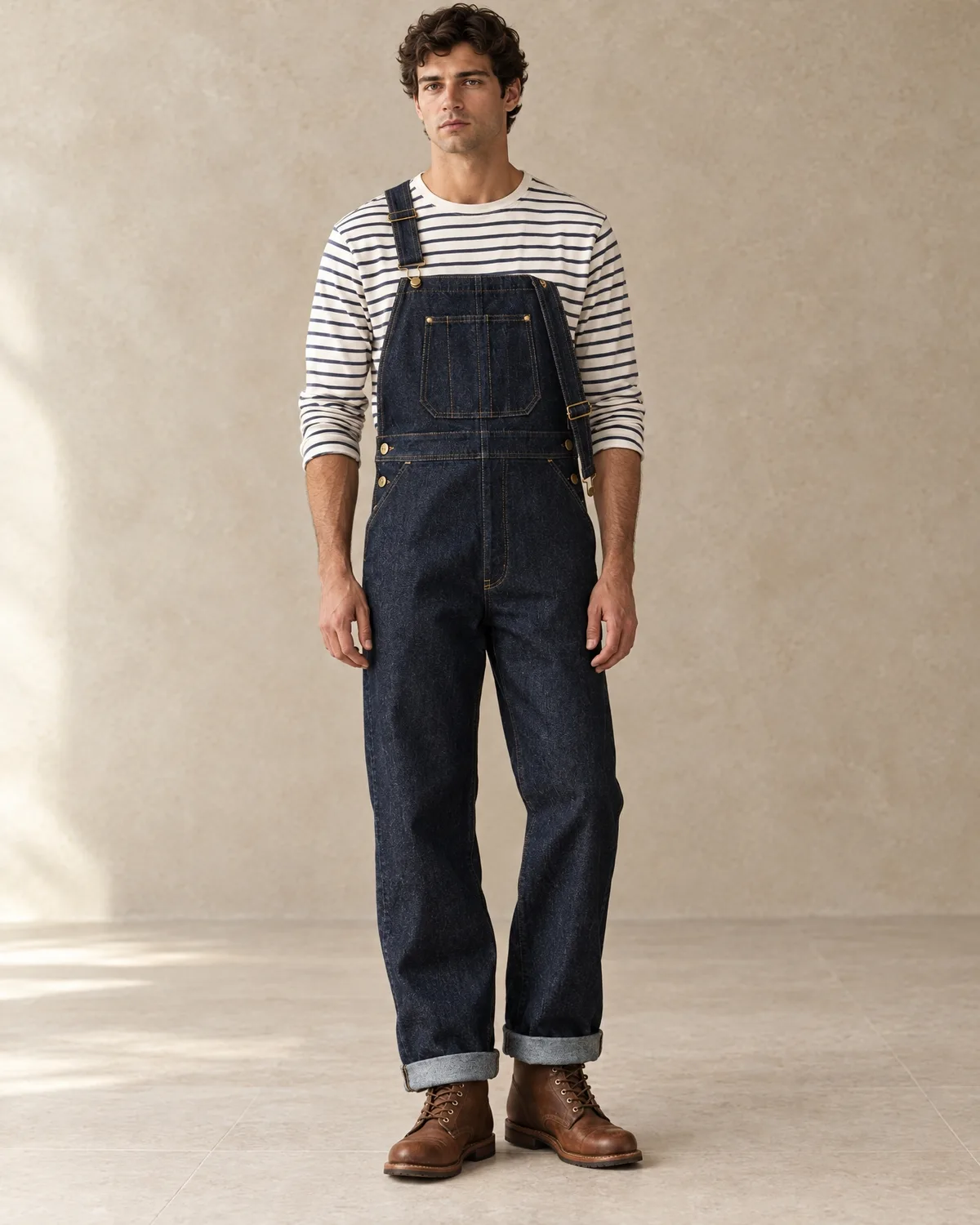
Ask for several pieces of the same wash or finish, not a single hero sample, and compare them side by side in natural light. Look at shade, fading pattern, whiskers and abrasion on denim, and at color, gloss and surface feel on leather. Small differences are normal in natural materials, but the range should be narrow and the reference sample should clearly represent what you will receive.
Also check shrinkage and color transfer. A quick wash test on a spare piece, following your care label, will reveal problems that photos cannot.
How do you check trims, labels and hardware?
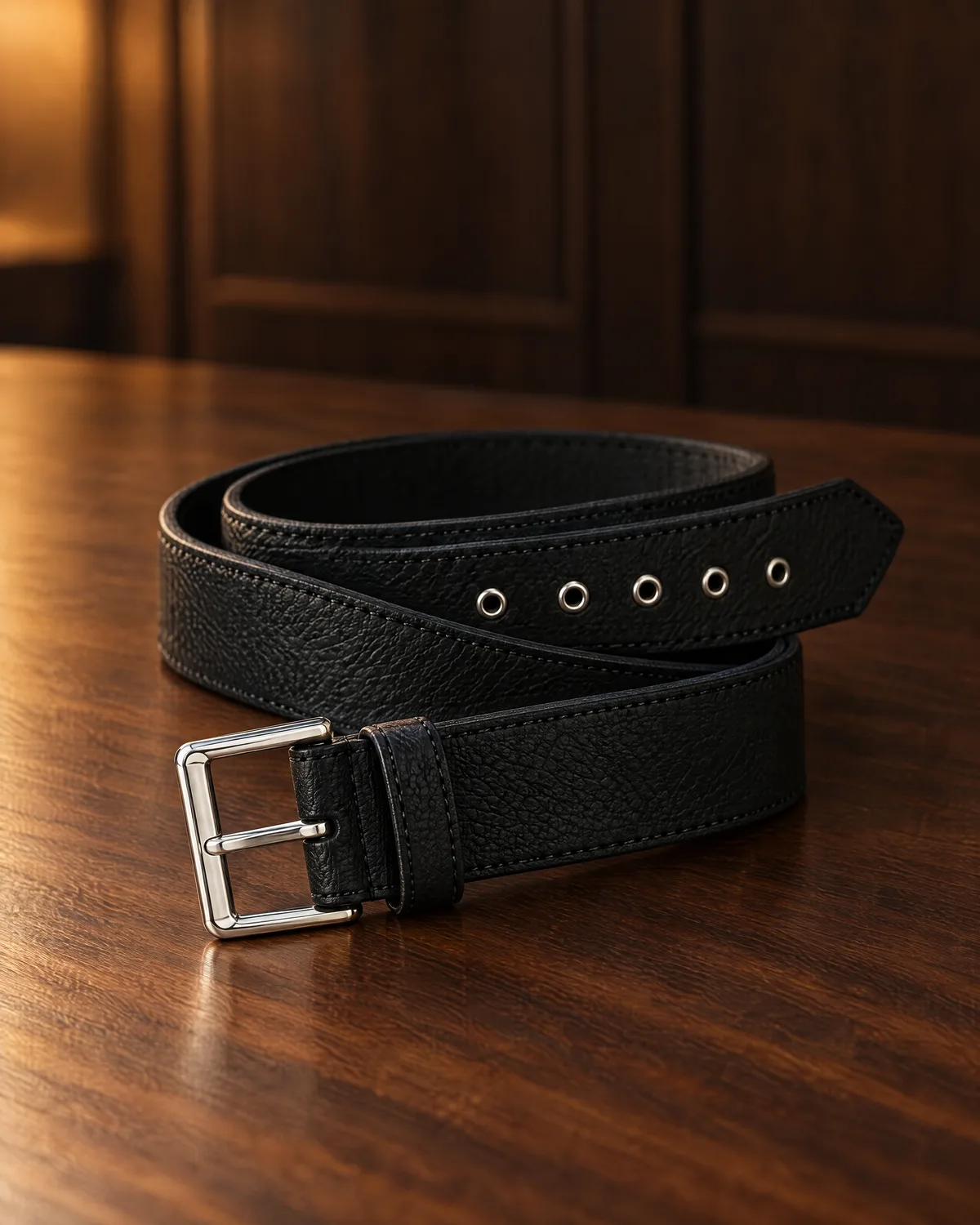
Zippers should run smoothly without catching. Buttons and rivets should be firmly set and finished evenly. Labels should be placed where your tech pack says, with the right text, and sewn flat. Pull on hardware and test snaps and zips repeatedly. Cheap trims are often the first thing customers complain about, so do not overlook them.
How do you approve a sample properly?
Never approve by saying only that it looks good. Write down exactly what is accepted and what must change. Use a checklist, record each comment, and keep the final approved sample as the standard for bulk. Our sample approval checklist covers this step by step, and our sampling process shows how we handle it.
At NovoStitches, the sample is paid and the buyer approves it before any bulk production starts. That order matters: the approved sample becomes the reference for everything that follows.
- Request a corrected sample if any point is outside tolerance.
- Keep one signed-off sample with the factory and one with you.
- Confirm in writing that bulk will match the approved sample.
What does good quality control look like in production?
Quality control should not be a single check at the end. Look for inspection at three moments: incoming materials, during sewing and finishing, and on finished goods before packing. Ask the factory how it checks fabric or hides, how it catches defects early, and what happens to pieces that fail.
Many buyers use sampling-based inspection on finished goods, often described with AQL, a standard way of deciding how many pieces to check and how many defects are acceptable. Ask which method the factory uses and how it records the results. You can see how we approach this on our quality control page.
What should pre-shipment photos and video show?
Pre-shipment evidence is your last chance to catch issues before goods leave the factory. Good photos and video should be clear, well lit and specific, not just a stack of boxes.
- Full front, back and side views of representative pieces.
- Close-ups of stitching, labels, hardware and any branding.
- Measurement checks with a tape visible against the garment.
- Packing: how pieces are folded, bagged, labeled and cartoned.
- A short video turning a garment and operating zippers and closures.
Ask for these before shipping, not after. NovoStitches shares QC photos and video before shipping so buyers can raise concerns while corrections are still possible.
What are the red flags when vetting a manufacturer?
Be cautious if a factory avoids measurement details, will not share process photos, rushes you past sample approval, or cannot explain how it controls consistency. Vague answers to specific questions are the clearest signal. A transparent factory will welcome your checklist.
Closing thoughts on vetting a garment manufacturer
Good vetting is about evidence: measured samples, documented approvals, consistent finishes and visible quality control. Do the work at sample stage and your bulk order becomes far more predictable.
If you would like to see how this works on a denim or leather project, you can request a quote. It is free to ask and there is no obligation, so you can compare our process with any other factory you are considering.