
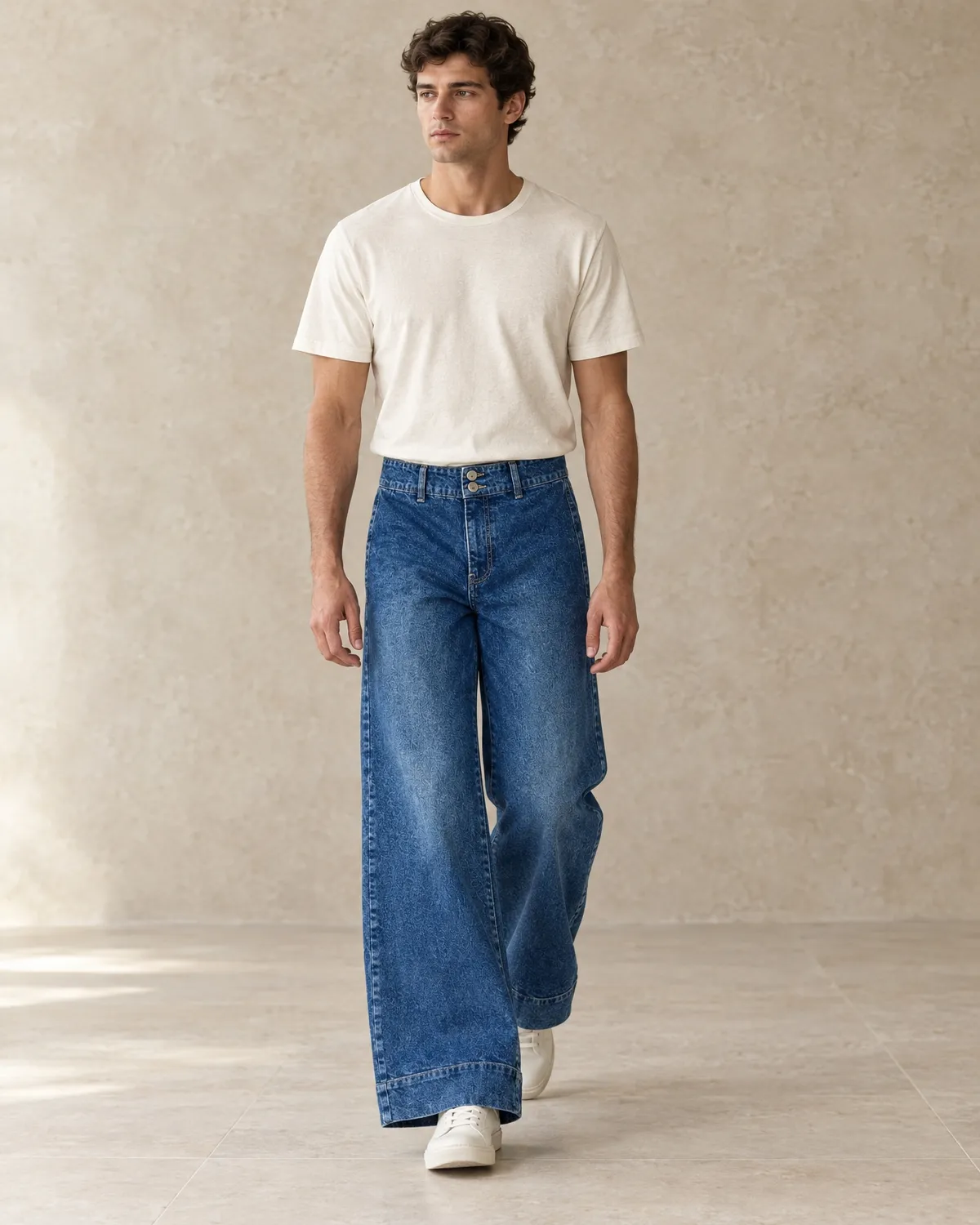
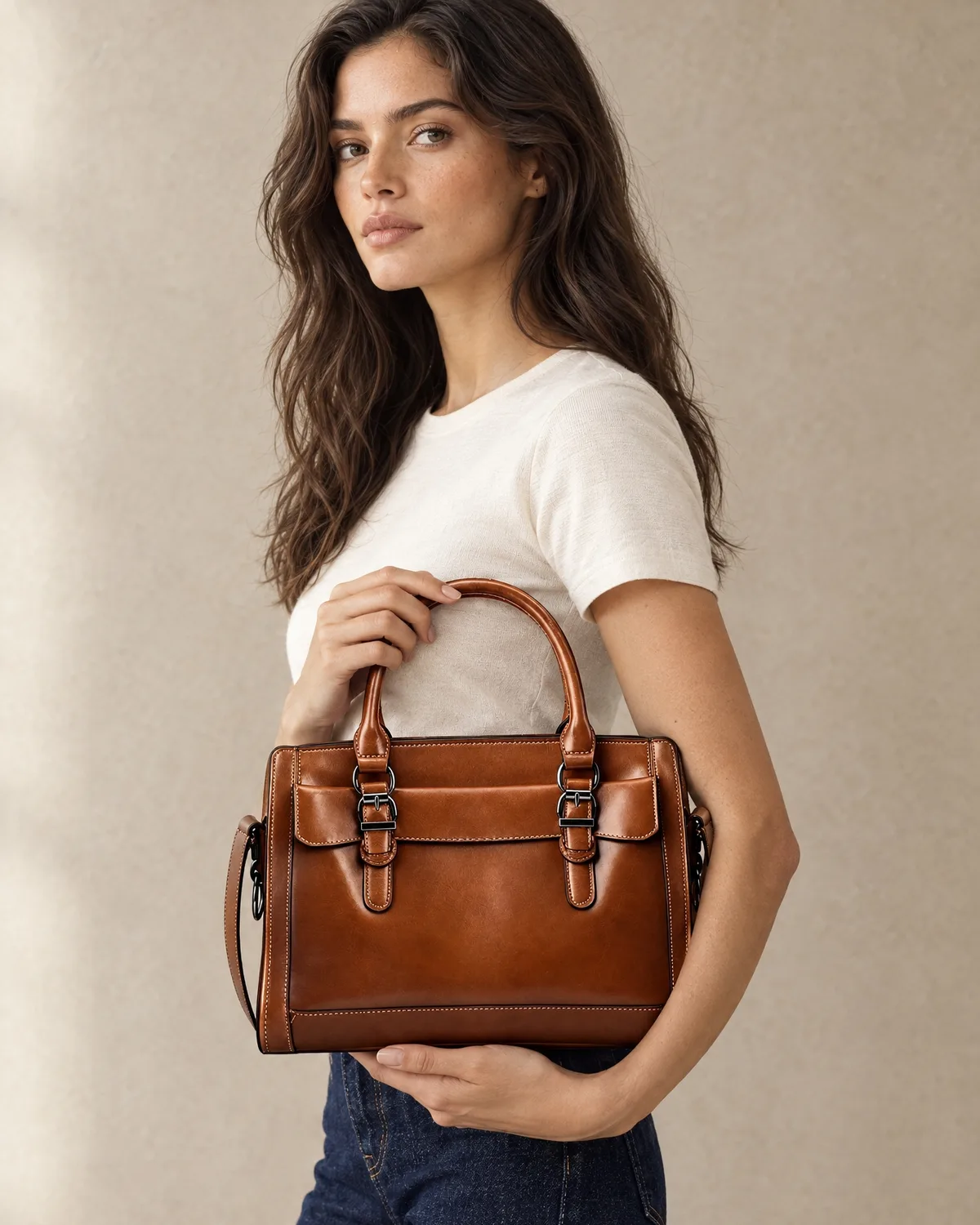

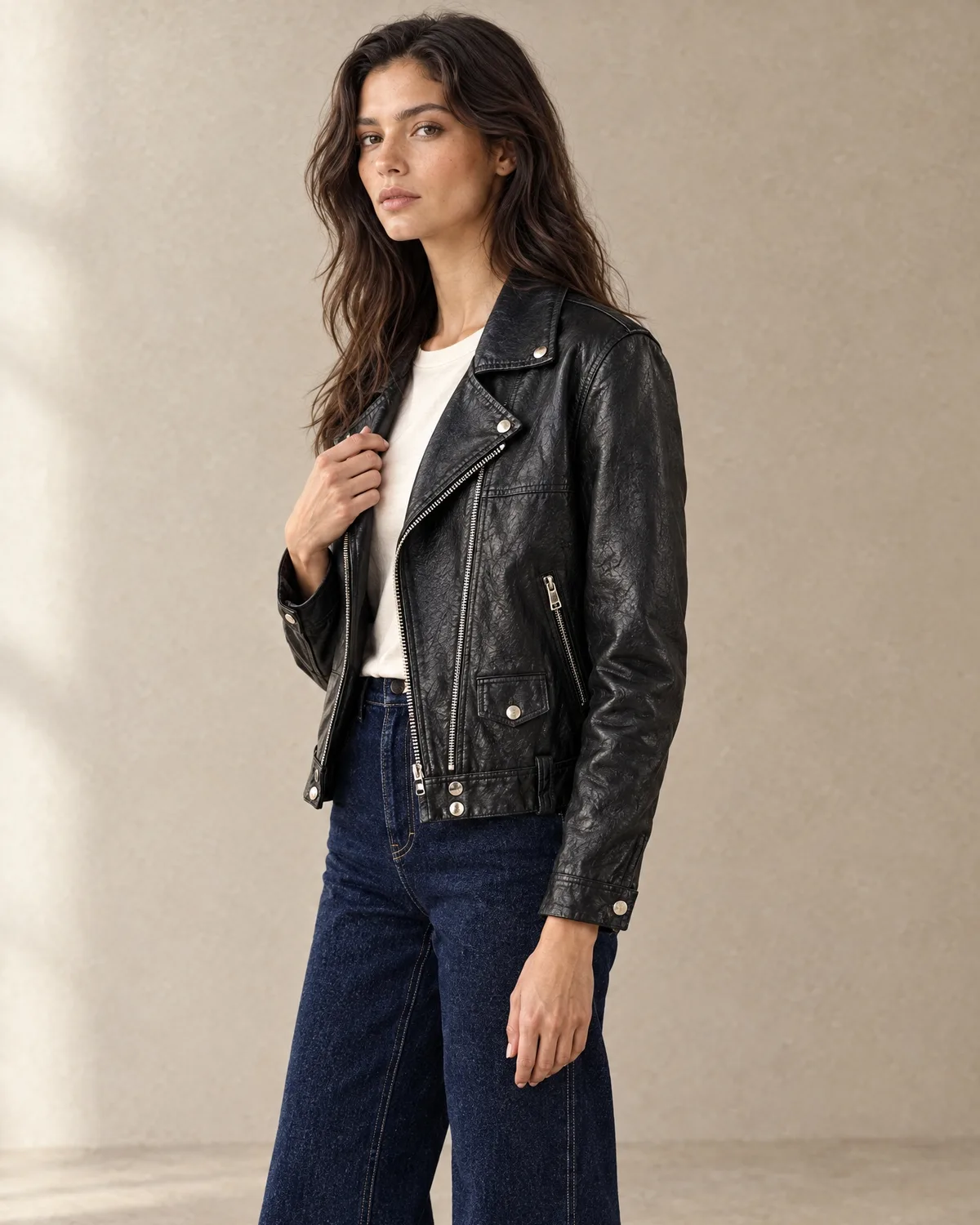
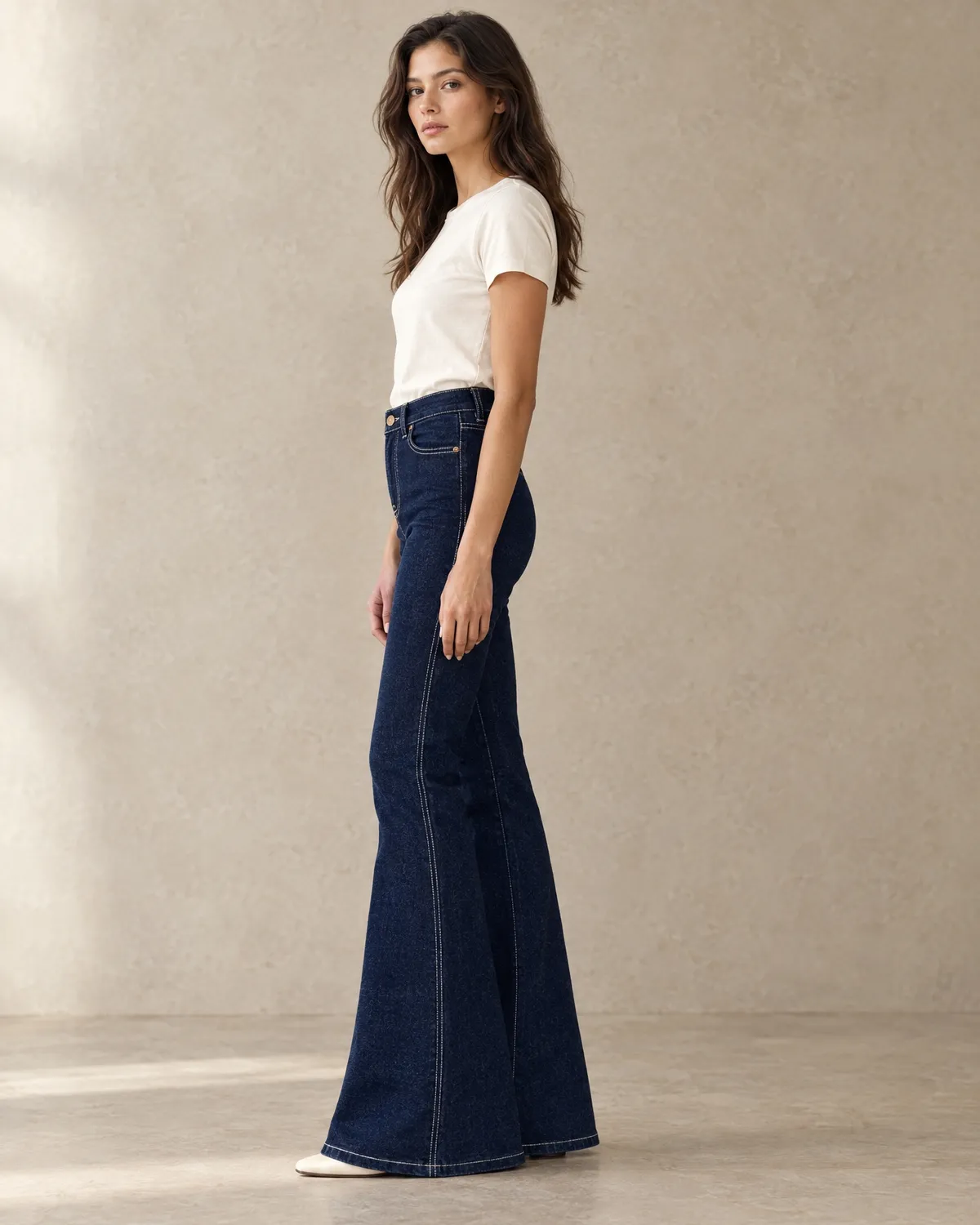
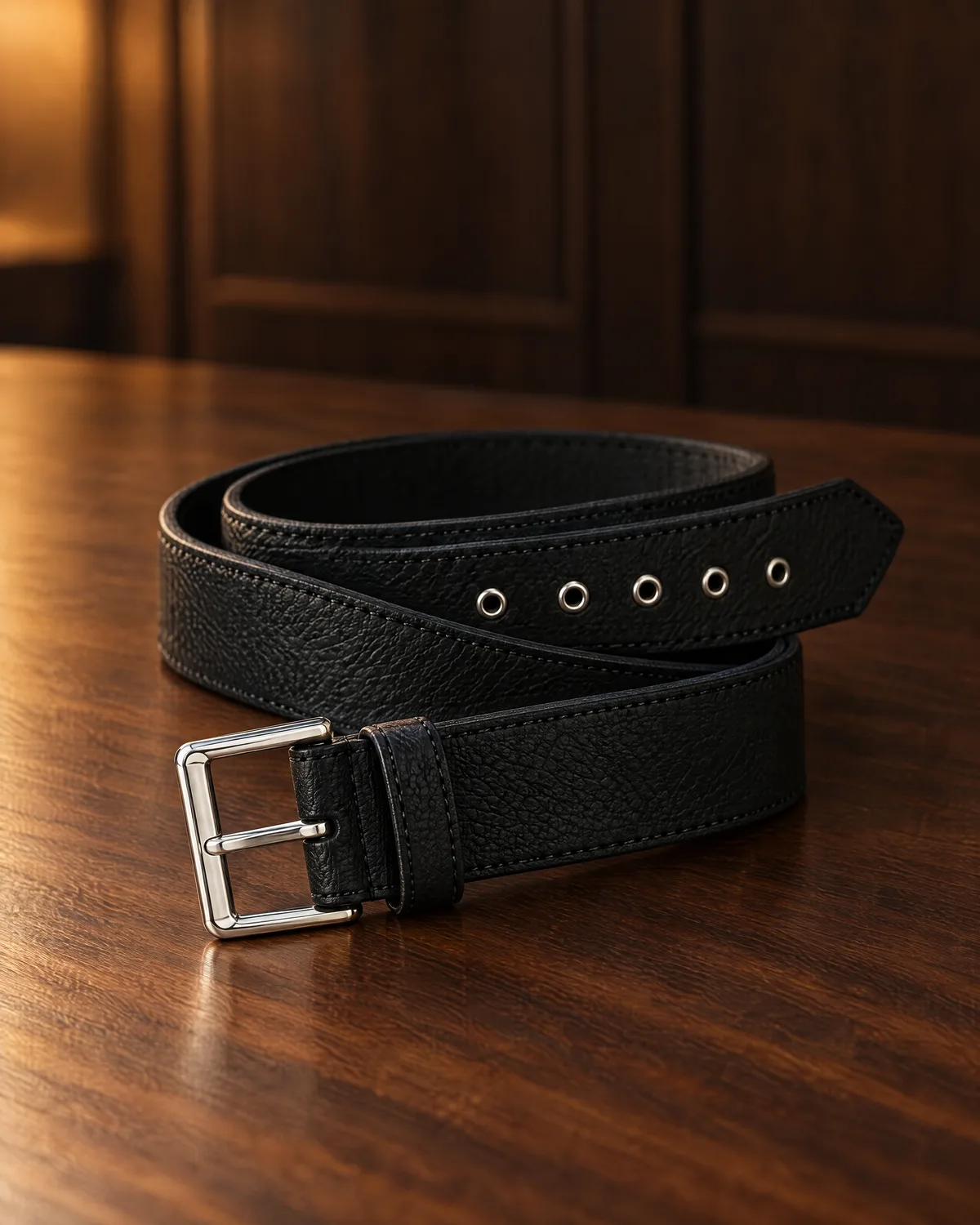
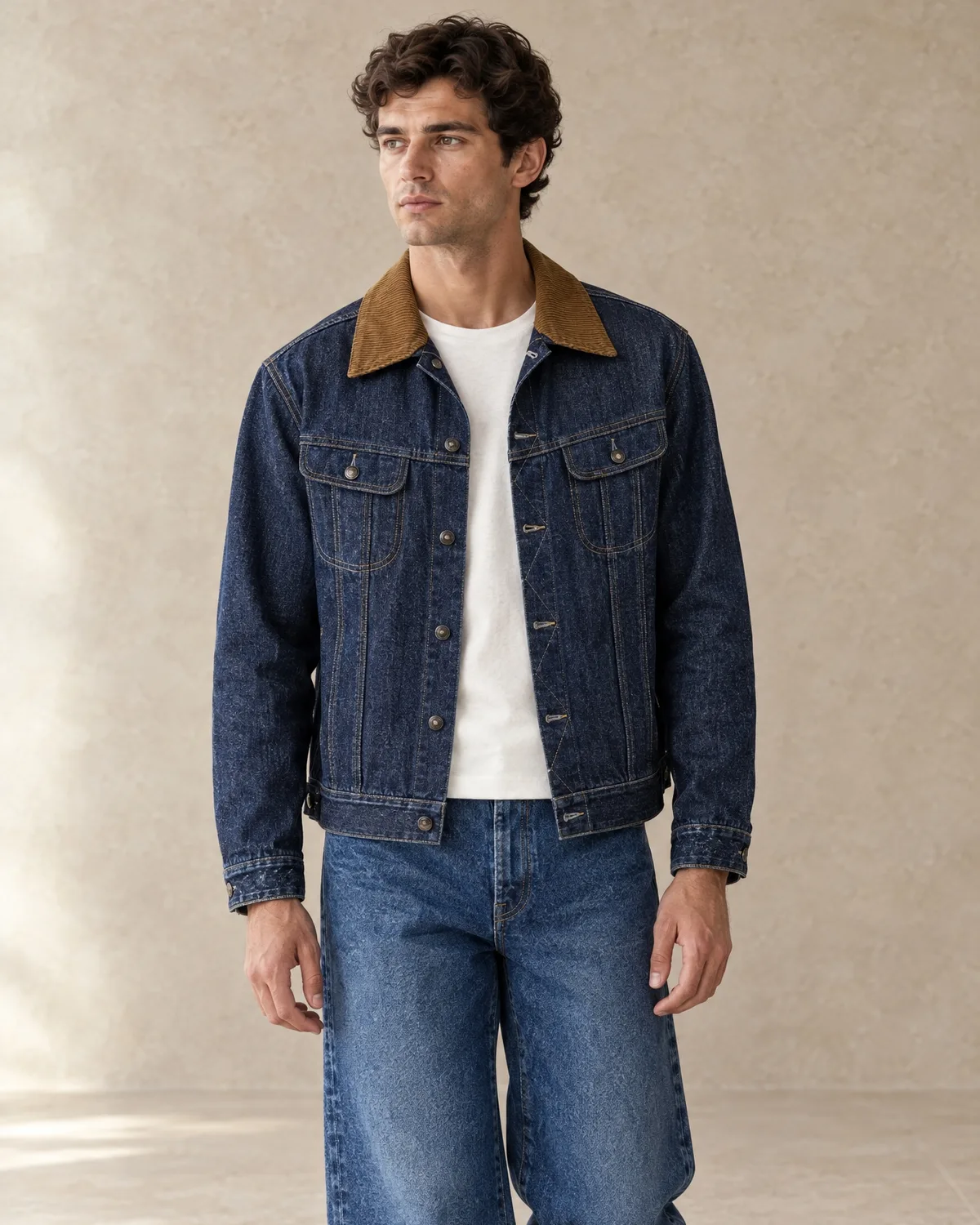
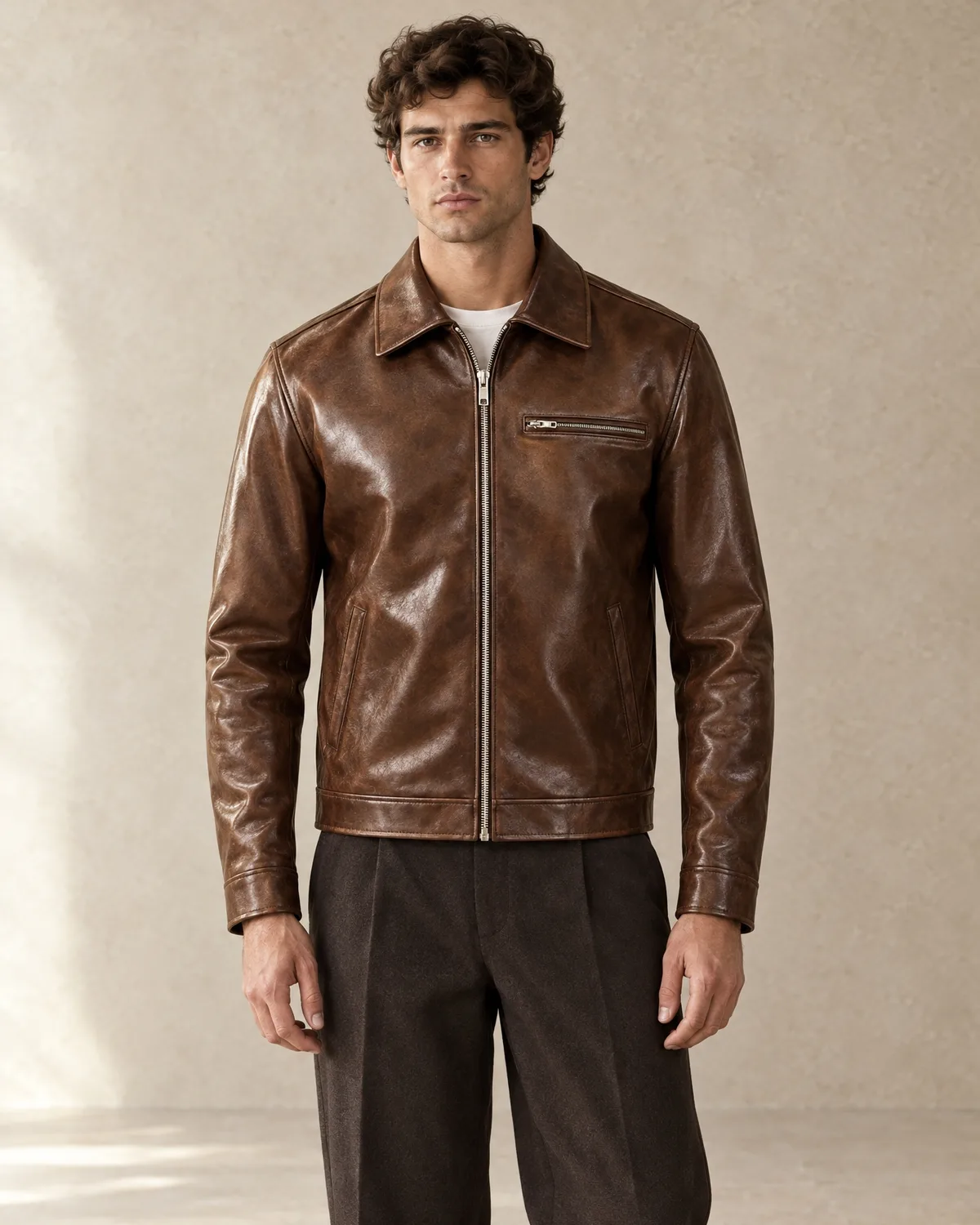
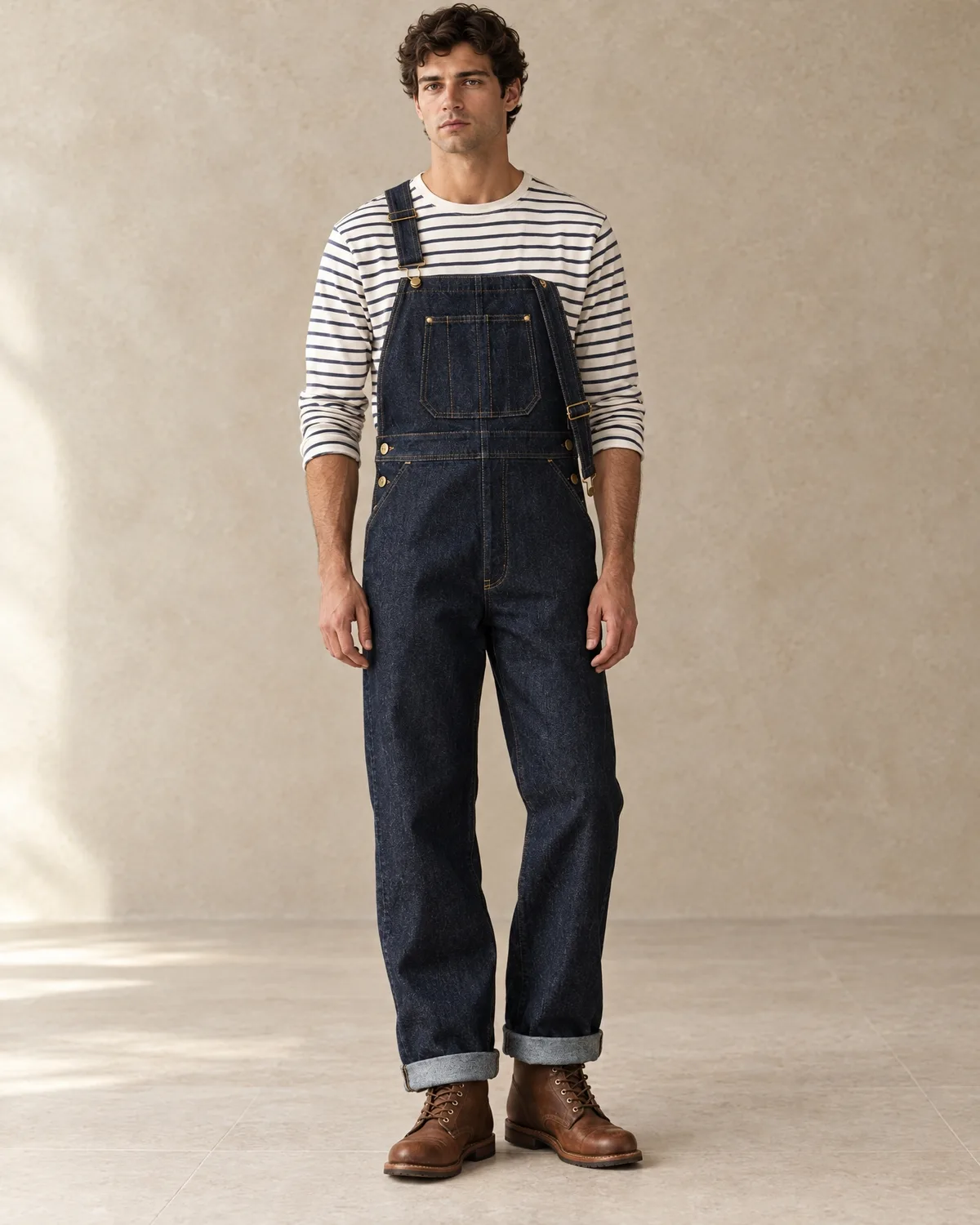
The sample looks perfect. Then the bulk order arrives and something is different: the wash is lighter, the pockets sit lower, the hardware is a different shade. This is one of the most common frustrations in manufacturing, and it is largely preventable. This guide shows how to keep your bulk run matching the sample you approved, from the moment you sign it off.
Why bulk drifts from the sample
A sample is made by a skilled team with extra attention and often a single batch of fabric. Bulk runs across larger lots, more operators and more steps. Small differences accumulate unless the process is controlled. Fabric lots can vary in shade, sewing lines can interpret an unclear instruction differently, and washes can shift between loads. Knowing this helps you put checks in the right places.
Step 1: Treat the approved sample as the reference
Once you sign off the sample, it becomes the standard for the order. Everything in bulk is compared against it. Keep one approved sample with the manufacturer and one with you, and record the date and version of the spec. In our process, nothing goes to bulk until you approve the sample, and that sample is the shared reference for everyone in the chain.
Step 2: Lock the spec in writing
List the final details that were approved: fabric or leather, wash, measurements and tolerances, hardware, thread, labels and packing. If anything changed during sampling, make sure the final version is updated in your tech pack. A verbal change that is never written down is the most common cause of surprises.
Step 3: Confirm materials match
Fabric and leather are the foundation. Ask for confirmation that the bulk material matches the sample, and check lot or hide consistency. For denim, shade and weight should match. For leather, hides should be selected so panels on one jacket match. Our materials library explains the differences that affect appearance.
Step 4: Control washes and finishes
Washing is where denim varies most. Agree a wash standard on the sample, and ask for wash swatches from the bulk lot to compare against it. Our denim washes and finishes page and the guide to wash types help you describe the look in terms a wash team can follow. For leather, finish is checked on a swatch and the finished product.
Step 5: Check during production
Problems are cheapest to fix early. Ask when in-line checks happen, for example after cutting, after sewing and after finishing. A pattern mistake caught in the first batch of pieces saves the whole order. Request photos of early pieces if you want to confirm something before the run continues.
Step 6: Inspect against the checklist
Final inspection should check the same things you checked on the sample:
- Measurements within the agreed tolerances
- Stitching, seams and topstitching
- Hardware fit and function
- Colour and wash against the approved sample
- Labels, hang tags and packing
Our quality control page explains how this works. You get QC photos and video before shipping, so you can see your own order rather than trust a summary.
Step 7: Decide what to do if something is off
Even good processes sometimes produce a deviation. Respond calmly and specifically:
- Photograph the issue next to the approved sample.
- Refer to the written spec and tolerance.
- Agree whether the item can be corrected, reworked or accepted with a note.
- Document the decision.
Clear evidence makes these conversations fast and fair for both sides.
Step 8: Plan reorders from the same reference
Keep the approved sample and records for future orders. When you reorder, you start from the same reference, which makes consistency across batches much easier. Ask for fabric and wash swatches to be stored for the next run.
A short list to keep
- One approved sample as reference, held by both sides
- A final written spec with tolerances
- Material and wash swatches confirmed from bulk lots
- In-line checks, with photos when you ask
- A final inspection against your checklist
- QC photos and video before shipping
Questions buyers ask about bulk production
Will bulk be exactly the same as the sample?
It should match within the tolerances you agreed. Natural materials such as leather and washed denim always carry small variations, which is why the spec lists tolerances and why you approve the sample as the reference.
Can I ask for photos while production is running?
Yes. Ask for photos of early pieces if you want to confirm a detail before the whole run continues. That is much cheaper than finding a problem at the end.
Work with a team that shows its work
A reliable manufacturer makes this easy: the sample is the reference, decisions are written down and you can see the result before it ships. We make denim and leather under one roof from 50 pieces per style. Read how a private label order works or request a quote to start.